Wisconsin Sports Betting Bill Fueling Fight Between Tribes, Sportsbooks


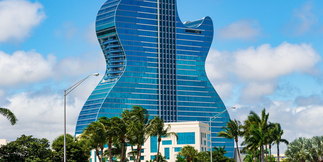
The Wisconsin Assembly has passed a bill that would make online sports betting legal in the state if sportsbook servers are located on tribal land. (Photo: Artirus / Alamy)
A Wisconsin bill that would allow online sports betting if the sportsbooks' servers are located on tribal land has drawn the ire of major sports betting brands, who say it would create a monopoly harmful to bettors in the state.
The bill passed the Wisconsin Assembly on a voice vote on Feb. 19, though its future in the state Senate is unclear.
Tribes See Economic Opportunity in Sports Betting
The legislation has been supported by multiple Wisconsin tribes, who have argued that sports betting would bring economic benefits to their communities. They’ve also pointed out that plenty of residents are already betting on sports – just not in ways that benefit the state.
“By allowing a legal framework for mobile sports wagering through Wisconsin’s tribes, the state will see increased revenue through the state gaming compacts, and consumers will have the legal protection needed to ensure they receive fair play,” Red Cliff Band of Lake Superior Chippewa Indians Chair Nicole Boyd said during the State of the Tribes Address in February.
Other tribal leaders have pointed out that they have already proven themselves as trusted gaming operators, and that online sports betting is simply an expansion of those efforts.
“The Nation does well with our current casino gaming operations, and we are thankful for what we have,” Edward Mullen, a member of the Ho-Chunk Nation Legislature, testified in November. “However, with 8,000 tribal members, we are still woefully short on providing what is needed.”
Sports Betting Alliance Decries Revenue Split, Voice Vote
But members of the Sports Betting Alliance (SBA), a lobby representing leading sports betting companies, have been fighting the proposal from last year. That fight got even more intense after the voice vote, which SBA President Joe Maloney said was part of a shady, closed-door approach to legislating.
“The people of Wisconsin unfortunately don’t have the benefit right now of knowing how their elected representatives voted,” Maloney told reporters earlier this week. “[It is] another instance of backroom dealing in Wisconsin that residents are continuing to resent more and more.”
But the SBA also argues that requiring providers to give at least 60% of revenues to the tribes makes it economically unfeasible for its members to partner with Wisconsin’s tribes.
It’s the same argument sportsbooks made against rules in Arkansas that require the majority of revenue stay with an in-state company – though more recently both FanDuel and DraftKings have still applied for licenses in the state.
Wisconsin lawmakers have defended the voice vote as a normal procedure when there’s broad consensus across the aisle and an overwhelming vote in one direction – not a sign of underhanded dealing.
“The reality is that some groups are upset because they didn’t get their preferred result,” Assembly Majority Leader Tyler August (R-Walworth) said in response to the SBA. “But Wisconsin’s legislative process isn’t controlled by outside interests, and it’s not for sale. Our responsibility is to the constituents we serve.”
August added that lawmakers rejected pressure from outside groups and instead focused on crafting a framework they believe is fair under Wisconsin law.
The SBA represents DraftKings, FanDuel, Fanatics Sportsbook, Bet365, and BetMGM. The group spent $262,603 lobbying against the Wisconsin online sports betting bill in 2025.
Meet The Author
Experience

Ed Scimia is an experienced writer who has been covering the gaming industry since 2008. He graduated from Syracuse University in 2003 with degrees in Magazine Journalism and Political Science. As a writer, Ed has worked for About.com, Gambling.com, and Covers.com, among other sites. He has also authored multiple books and enjoys curling competitively, which has led to him creating curling-related content for his YouTube channel, "Chess on Ice."
Read Full BioRelated News









Test Your Luck
Not Your Spam Filter
Sign up to receive emails and promotions from Casinos.com