


- All Casino Games 1,000+ Slots 850+ Top Slot Game Sands Of Mystery iOS Casino App
 Bonus Code Required
New Customer Only
No Deposit
Social
Bonus Code Required
New Customer Only
No Deposit
Social
Your Quick Guide to Gambling in Nevada
Nevada is the gambling capital of the world — the only state where commercial casinos, online poker, and sports betting are all fully legal, generating over $15 billion in gaming revenue annually. From the mega-resorts of the Las Vegas Strip to downtown Reno's storied card rooms, Nevada offers more ways to gamble than anywhere else in the country.


Every Way to Gamble in Nevada
The full picture; from the casino floor to your smartphone.

Online Poker
Nevada legalized iGaming in 2013 but limited it to online poker only. You share a player pool with New Jersey, Michigan, and Delaware — meaning active cash game tables and tournament guarantees that scale across states. Key sites: WSOP Nevada, BetMGM Poker Nevada.
• REGULATED SINCE 2013

Online Sports Betting
Nevada has the longest legal sports betting history in the US. Mobile is growing fast — $285.8M in mobile revenue during 2024 (+18.7%), now 59% of the total. William Hill/Caesars, MGM, FanDuel, and DraftKings are all licensed. Note: accounts must be created in person at a licensed Nevada sportsbook.
• REGULATED SINCE 1949 — IN PERSON SIGN UP ONLY
Land Based Casinos
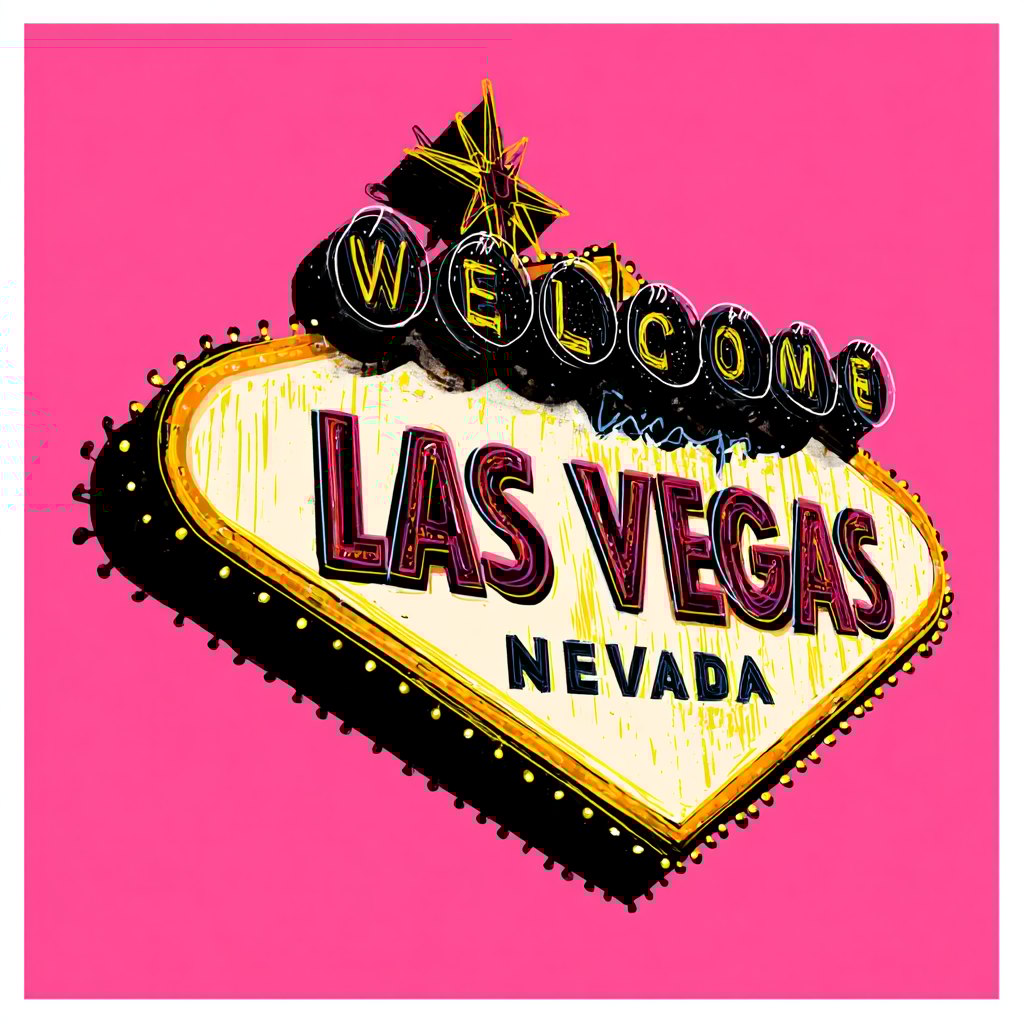
Even with 220+ commercial casinos across Nevada, the Vegas Strip remains the centerpiece with $8.62B in revenue in 2024. Major resort-casinos include Bellagio, MGM Grand, Caesars Palace, Wynn, Venetian, Aria, Mandalay Bay, Park MGM, and Cosmopolitan. Note: Tropicana closed April 2024; Mirage closed July 2024 and is being redeveloped as Hard Rock Las Vegas (opening 2027).
• REGULATED SINCE 1931

Social Casinos
Casino games for entertainment only — no real money in, no cash prizes out. A useful way to try a game before opening a real-money account at one of Nevada's licensed online poker or sports betting sites.
• AVAILABLE

Horse Racing
Simulcast and live racing betting available through Race & Sports Books at major casino properties across Nevada. Year-round simulcast wagering on races from across the US. Online advance deposit wagering (ADW) also available through licensed platforms.
• REGULATED
Prediction Markets
Prediction markets have been paused in Nevada since April 2026 pending regulatory and legislative decisions at the state level. Platforms like Kalshi, which operate under CFTC regulation, are currently unavailable to Nevada residents.
• PAUSED

Lottery
Nevada does not have a state lottery — one of only five states in the US without one. This has been a consistent policy position in Nevada, where the casino industry has historically opposed lottery competition.
• NOT AVAILABLE
Is Gambling Legal in Nevada?
Yes, and more comprehensively than almost anywhere else in the world. Nevada legalized commercial casino gambling in 1931, becoming the first US state to do so, and has been building on that foundation ever since. Commercial casinos, sports betting, online poker, horse racing, and daily fantasy sports are all fully legal. The state has no lottery, and online casino games outside of poker remain unlicensed, but for in-person and most mobile gambling, Nevada is as permissive as it gets. For a wider view of the market, see our list of the best online casinos.
The Nevada Gaming Control Board and the Nevada Gaming Commission jointly regulate all gambling in the state. Operators must hold a state license to offer any form of gambling, the same rigorous framework that set the global standard for casino regulation and is still used as a model by regulators worldwide.
Sports betting has been legal in Nevada since 1949, decades before the Supreme Court's 2018 ruling opened the door for other states. Mobile sports betting is available, but Nevada requires bettors to register in person at a licensed sportsbook before using any apps, which sets it apart from most other legal states. Online poker has been legal since 2013, with Nevada sharing a player pool with New Jersey, Michigan, and Delaware.
One notable gap: online casino games beyond poker are not currently licensed in Nevada despite the state's deep casino infrastructure. Bills have been introduced in recent years but haven't passed, largely due to concerns from land-based casinos about cannibalizing floor revenue.
How Gambling in Nevada Compares to Nearby States
Nevada's nearest neighbors each offer a very different gambling landscape, and the contrast highlights just how far ahead Nevada remains when it comes to legal gambling access.
California is the starkest comparison. Despite being home to the largest tribal gaming market in the world, with over 70 tribal casinos generating more than $10 billion annually, California has no commercial casinos, no legal sports betting, and no online casino gambling. Multiple sports betting ballot measures have failed, most recently Props 26 and 27 in 2022. Californians who want to bet on sports or visit a commercial casino regularly cross into Nevada to do it, making the Nevada border economy one of the most gambling-dependent in the country.
Arizona closed the gap on sports betting in 2021, launching mobile wagering on day one of legalization and quickly becoming one of the highest-handle markets in the US. It shares Nevada's tribal casino model but has no commercial casinos, no online poker, and no online casino platform. For Arizonans, Nevada remains the destination for full casino access and the kind of gaming experience that mobile apps simply can't replicate.
Oregon has quietly built a broader gambling menu than most people expect. It runs a state-operated sports betting app, has video lottery terminals in bars and restaurants statewide, and operates a full tribal casino network. What Oregon lacks is the commercial casino infrastructure — the resort-scale gaming floors, the range of table limits, the concentration of poker rooms — that Nevada offers as a matter of course.
Nevada vs. Other Regulated Casino States
Nevada pioneered regulated casino gambling, but states like New Jersey, Pennsylvania, and Michigan have caught up in meaningful ways — and in some cases moved ahead. All three offer fully licensed online casino platforms covering slots, blackjack, and live dealer games, something Nevada has not legalized despite its deep casino infrastructure. Those states also allow bettors to sign up for sportsbooks entirely online, while Nevada still requires in-person registration at a licensed property.
Where Nevada remains untouchable is the physical experience. Over 220 licensed casinos, the largest gaming floors in the world, table limits that stretch into the six figures, and a tax rate of around 6.75% on gross gaming revenue — compared to 54% in Pennsylvania and 51% on online sports betting in New York — means more operators, better odds, and a more player-friendly environment than anywhere else in the country.
Test Your Luck
Not Your Spam Filter
Sign up to receive emails and promotions from Casinos.com

Affiliate disclosure: At Casinos.com, we want to ensure that players are matched with the right casino and sportsbook offers for them. For this reason, some of the recommended site links are affiliate links. This means that if you visit a website through our link and make a deposit, Casinos.com will receive a commission payment at no extra cost to you.

 Play Now


Meet The Author
20 Years
Experience
Experience


Joss Wood has over a decade of experience reviewing and comparing the top online casinos in the world to ensure players find their favorite place to play. Joss is also a specialist when it comes to breaking down what casino bonuses add value and where to find the promotions you don't want to miss.
Read Full BioFAQs
Is online casino gambling legal in Nevada?
Only online poker is fully licensed. Nevada legalized online poker in 2013 and shares a player pool with New Jersey, Michigan, and Delaware. Full online casino games like slots and blackjack are not currently licensed in the state.
What is the gambling age in Nevada?
The legal gambling age in Nevada, for all forms of gambling, including casinos, sports betting, and online poker is 21 years of age.
Is there gambling outside of Las Vegas in Nevada?
Absolutely. Reno has a strong casino scene, particularly downtown along the Virginia Street corridor. Other notable gambling destinations include Laughlin on the Colorado River, Lake Tahoe, and smaller casino towns like Elko and Wendover along the Utah border.
Can I gamble at the airport in Nevada?
Yes. Las Vegas Harry Reid International Airport has slot machines in the terminal, making it one of the few airports in the world where you can gamble before your flight boards.
Are drinks free while gambling in Nevada casinos?
Complimentary drinks are a long-standing Las Vegas tradition at most casino properties, though the frequency and quality vary by where you're playing and how much action you're putting in. It's customary to tip your server.
What happens if I win a large amount at a Nevada casino?
Winnings over $1,200 on slots or $600 on table games typically trigger a W-2G tax form. Casinos are required to report large cash transactions over $10,000 to the IRS. All gambling winnings are taxable as income under federal law.

Test Your Luck
Not Your Spam Filter
Sign up to receive emails and promotions from Casinos.com