Find Your Favorite US Casino Resorts 2026


Updated by Ziv Chen
Writer

Fact Checked by Lee James Gwilliam
Senior Vice-President

VOTE NOW in the International Casino Awards for a Chance To Win a $10,000 Vegas Trip
✅ Cast your vote in the poll below & create your free account to enter
Full Terms and Conditions apply.
The United States has one of the biggest and most diverse land-based casino scenes in the world, covering everything from large commercial casinos to tribal gaming resorts and other specialized venues spread across many states. As of 2025, there are 492 commercial casinos and more than 500 tribal casinos operating across 29 states.
This variety comes from a layered legal system that mixes federal rules, state laws, and tribal sovereignty agreements. Together, these casinos play a major role in tourism, entertainment, and local economies, bringing in billions of dollars while continuing to adapt to changing regulations.
Let's take a much closer look at what makes the US such a great casino destination.
Jump to Section
US Land-Based Casino Landscape
The US land-based casino sector encompasses many different types of casino experience, each one shaped by historical precedents, state-specific laws, and federal-tribal relations. A s a general rule, commercial casinos function under direct state oversight and licensing, while Tribal casinos operate pursuant to federal law and negotiated compacts.
Additional categories, including riverboat operations and racinos, reflect compromises in states with restrictive gaming policies. This variety allows casinos to thrive in urban resorts, rural reservations, waterfront locations, and racetrack integrations, contributing to a nationwide presence in over 40 states with some form of casino gaming.
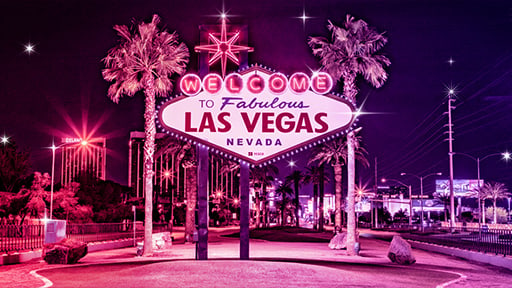
Find Your Favorite Las Vegas Casino Resorts 2026
Read More
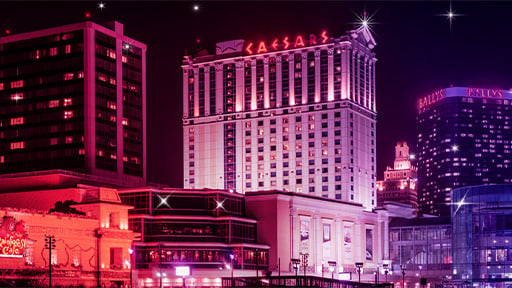
Find Your Favorite Atlantic City Casino Resorts 2026
Read More
Casino Resorts
Casino resorts represent the flagship model of gambling destinations. These large properties combine extensive gaming floors with luxury hotels, multiple restaurants, spas, convention centres, retail shopping, and live performance venues. Iconic examples appear on the Las Vegas Strip, in Atlantic City, and in emerging markets like Massachusetts and New York. Resorts attract tourists through non-gaming amenities, positioning casinos as comprehensive leisure hubs rather than standalone gambling venues.
Tribal Casinos
Tribal casinos, owned and operated by federally recognized Native American tribes, exceed 500 facilities nationwide in the US. Authorized under the Indian Gaming Regulatory Act of 1988, they range from modest bingo halls to expansive resorts rivalling the commercial properties in Vegas and Atlantic City. They also fulfil a key community role with revenues funding tribal governments, education, healthcare, housing, and infrastructure, often in under-developed areas.
Riverboat Casinos
Riverboat casinos emerged in the 1990s as a regulatory workaround requiring gaming on navigable waterways. States like Iowa, Illinois, Louisiana, Mississippi, Missouri, and Indiana initially mandated floating vessels. Many have since moved to dockside or land-based structures, though the riverboat designation persists in some jurisdictions for historical and branding reasons. Often in 'riverboat casinos' you can't actually tell where the building ends and the boat starts, but regulations demand there to be water beneath the casino floor. You'd actually be amazed at how easily you can tell when you're walking between the two.
Racinos
Racinos integrate video lottery terminals, slot machines, or electronic games with pari-mutuel horse or dog racing tracks. This hybrid format exists in states prohibiting full casino table games, including Delaware, Florida, New York, Ohio, Pennsylvania, Rhode Island, and West Virginia. Racinos blend racing events with casino-style gaming to broaden entertainment options.

Find Your Favorite Pennsylvania Casinos 2026
Read More

Find Your Favorite Florida Casino Resorts 2026
Read More


Find Your Favourite Connecticut Casinos in 2026
Read More
Top US Casino Destinations
Certain US regions have emerged as premier casino destinations due to concentration of properties, historical significance, and supporting infrastructure. These areas draw millions of domestic and international visitors annually, bolstering hospitality sectors and local identities through gaming-centric tourism.
Las Vegas
Las Vegas, Nevada, stands as the world's most recognized casino destination. The Las Vegas Strip and downtown areas feature dozens of mega-resorts with tens of thousands of hotel rooms and hundreds of thousands of gaming positions. Properties continually evolve with new openings, renovations, and non-gaming attractions like residencies, sports venues, and conventions.

MGM Grand Las Vegas Review for August 2026
Read More

Mandalay Bay Las Vegas Review for August 2026
Read More

Aria Las Vegas Review for August 2026
Read More

Bellagio Las Vegas Review for August 2026
Read More

Venetian Las Vegas Review for August 2026
Read More

Mirage Las Vegas Review for August 2026
Read More

Wynn Las Vegas Review for August 2026
Read More

Caesars Palace Las Vegas Review for August 2026
Read More


Showing 8 of 39
Atlantic City
Atlantic City, New Jersey, offers the primary East Coast casino concentration along its historic boardwalk. Nine properties provide oceanfront gaming, entertainment, and lodging. The market has stabilized after earlier contractions, focusing on resort amenities and proximity to major Northeast population centres.
Reno
Reno, Nevada, known as "The Biggest Little City in the World," provides a more laid-back gaming environment compared to Las Vegas. Downtown casinos and surrounding properties cater to locals and drive-in visitors from California, emphasizing value-oriented gaming and proximity to outdoor recreation.
Lake Tahoe
The Lake Tahoe region, straddling Nevada and California, combines scenic mountain beauty with casino gaming. South Shore properties in Stateline, Nevada, offer lake views alongside slots and tables, while North Shore venues provide similar amenities. The area attracts visitors seeking gaming alongside skiing, hiking, and water activities.
Top Ten Land-Based Casinos in the US
The United States features many outstanding land-based casinos, noted for gaming floor size, revenue, visitor numbers, amenities, and historical importance. This list highlights a balanced selection of iconic commercial resorts and major tribal properties prominent in 2025.
Bellagio (Las Vegas, Nevada)
Bellagio stands as a luxury landmark on the Las Vegas Strip. It offers around 156,000 square feet of elegant gaming space with a wide array of slots, table games, and a renowned poker room hosting major tournaments. Operated by MGM Resorts International, the property draws visitors with its Italian-inspired architecture featuring marble floors, botanical gardens, and the iconic Fountains of Bellagio synchronized water show. Fine dining options include restaurants from celebrity chefs, while entertainment highlights Cirque du Soleil's "O" production. The overall sophisticated atmosphere combines premium gaming with cultural elements, making it a perennial favorite for upscale visitors seeking comprehensive resort experiences beyond the casino floor.
Wynn Las Vegas (Las Vegas, Nevada)
Wynn Las Vegas delivers upscale refinement across approximately 190,000 square feet of gaming, including the seamlessly connected Encore resort for expanded options. It features high-limit salons, diverse slots, and table games in an environment emphasizing meticulous design. The property showcases a curated art collection, a championship golf course exclusive to guests, designer boutiques along tree-lined shopping esplanades, and multiple award-winning restaurants spanning global cuisines. Nightlife venues and pools add to the appeal, while service standards focus on personalized attention. This attention to detail creates an exclusive sanctuary at the north end of the Strip, attracting discerning patrons who value elegance and privacy in their entertainment choices.
Caesars Palace (Las Vegas, Nevada)
Caesars Palace remains a timeless symbol of Las Vegas since opening in 1966 as one of the first themed mega-resorts. Its gaming floor covers about 166,000 square feet, offering extensive modern slots alongside classic table games in a Roman-themed setting with statues and columns. Highlights include the Colosseum theater hosting long-running headline residencies from top artists, the Forum Shops for luxury retail with animated features, multiple outdoor pools in garden settings, and diverse dining from casual to gourmet. The property continues to evolve with renovations while preserving classic Vegas opulence, serving as a cultural touchstone that defines extravagant hospitality and entertainment on the Strip.
WinStar World Casino & Resort (Thackerville, Oklahoma)
WinStar holds the title of largest casino in the United States with over 600,000 square feet of gaming space dedicated to thousands of electronic games, numerous table games, and a dedicated poker room. Operated by the Chickasaw Nation, the venue organizes its vast floor into global-themed sections representing cities like Paris, London, and Rio for immersive navigation. Additional facilities encompass multiple hotel towers with varied room styles, a golf course designed by professionals, a full-service spa, diverse entertainment venues hosting concerts, and extensive dining choices ranging from steakhouses to international buffets. This scale and variety position it as a major destination drawing visitors from across the region.
Borgata Hotel Casino & Spa (Atlantic City, New Jersey)
Borgata leads commercial casinos on the East Coast with consistent high revenue and a vibrant, modern gaming floor featuring extensive slots, table games, and poker options. Owned by MGM Resorts, the property integrates luxury hotel accommodations with contemporary rooms, a premier European-style spa offering treatments and salons, energetic nightlife clubs with DJ performances, and varied dining from Italian fine dining to casual eateries. Its design emphasizes sleek lines and open spaces, creating an upscale atmosphere distinct from traditional boardwalk venues. Comprehensive amenities and strong player programs contribute to its status as a top choice in Atlantic City's competitive market for visitors seeking sophisticated entertainment.
Mohegan Sun (Uncasville, Connecticut)
Mohegan Sun spans around 300,000 square feet of gaming across three distinctly themed casino areas for varied atmospheres. Operated by the Mohegan Tribe, the resort includes a large arena hosting major concerts and sporting events, a professional golf course, luxury hotel towers with premium suites, extensive shopping districts, and numerous dining outlets covering casual to upscale cuisines. Additional features encompass family-friendly elements like indoor waterfalls and cultural exhibits reflecting tribal heritage. This integration of gaming with broad entertainment options establishes it as a complete destination resort serving New England and beyond with year-round appeal.
Ocean Casino Resort (Atlantic City, New Jersey)
Ocean Casino Resort features modern gaming space of about 135,000 square feet with direct ocean views enhancing the floor experience through natural light and scenery. The property highlights contemporary design with open layouts, high-limit gaming rooms, a unique Topgolf Swing Suite for interactive sports simulation, multiple indoor and outdoor pools, and boardwalk-accessible entertainment venues. Dining ranges from seafood specialists to casual options, while nightlife includes lounges and shows. Recent investments in renovations and amenities have refreshed its appeal, positioning it as a standout choice for visitors prioritizing beachfront location and modern facilities in Atlantic City's evolving landscape.
Foxwoods Resort Casino (Mashantucket, Connecticut)
Foxwoods ranks among the world's largest resort casinos with over 340,000 square feet of gaming distributed across multiple themed areas for diverse experiences. Owned by the Mashantucket Pequot Tribal Nation, it includes specialized high-stakes bingo halls, extensive table games and slots, outlet shopping centers, professional golf courses, and family-oriented attractions such as arcades and museums. Entertainment options feature theaters and arenas for performances, while hotel choices range from luxury towers to more affordable options. This breadth of facilities alongside cultural elements tied to tribal history makes it a comprehensive destination in the Northeast.
Seminole Hard Rock Hotel & Casino Hollywood (Hollywood, Florida)
This property features a distinctive guitar-shaped hotel tower visible from afar and around 245,000 square feet of gaming space filled with expansive slots, table games, and a large dedicated poker room. Operated by the Seminole Tribe, it emphasizes music-themed elements throughout, including memorabilia displays, live music venues hosting national acts, luxury pools with cabanas, and diverse dining experiences from quick service to fine steakhouses. Spa services and retail add to the resort feel in South Florida's warm climate, creating an energetic environment centered on rock culture and entertainment.
Yaamava’ Resort & Casino (Highland, California)
Yaamava’ covers more than 290,000 square feet after recent expansions focused on high-limit gaming areas and premium slots. Run by the San Manuel Band of Mission Indians, the hillside property includes live entertainment venues for concerts, a luxury spa with extensive treatments, multiple pools and cabanas, varied restaurants offering global cuisines, and hotel accommodations with mountain views. Its location near urban centers allows easy access while providing a serene setting, with ongoing developments enhancing facilities for diverse visitor preferences in Southern California's competitive market.
Economic Impact and Industry Size
In 2024, US commercial gaming revenue reached a record $72 billion, marking the fourth consecutive year of all-time highs. Traditional land-based casino gaming contributed approximately $50 billion, with the remainder from sports betting and iGaming. Tribal gaming added $43.9 billion in gross gaming revenue, bringing the combined industry total to over $115 billion.
The sector supports an estimated 1.75 million jobs across direct employment, suppliers, and induced effects. Commercial operators alone account for hundreds of thousands of positions in hospitality, gaming operations, and management. Tribal casinos provide critical employment in rural and reservation communities.
Direct gaming taxes from commercial sources totalled $15.91 billion in 2024, funding state and local priorities such as education, infrastructure, and public safety. Additional contributions come from payroll, sales, and property taxes, plus tribal revenue-sharing agreements.
Major markets like Nevada, New Jersey, and Pennsylvania derive substantial budget portions from gaming taxes. The industry's multiplier effects stimulate construction, tourism spending, and small business growth in host communities.
What Games Are Offered in US Casinos
US casinos present a standardized yet regionally varied selection of games governed by state regulations. These are generally the same everywhere you go in the US, although some variations do apply depending upon where you are.
Slots
Slot machines constitute the dominant revenue source, occupying the majority of floor space in most venues. They range from traditional mechanical reels to advanced video terminals with thematic content, bonus rounds, progressive networks, and wide-area jackpots spanning multiple properties.
Table Games
Standard table games feature blackjack (with numerous variants), roulette (American and European wheels), craps, baccarat, and mini-baccarat. Additional offerings include pai gow poker, Let It Ride, Three Card Poker, and Ultimate Texas Hold'em. Electronic versions supplement live tables in some properties.
Poker
Poker rooms host cash games and tournaments primarily in no-limit Texas Hold'em, with pot-limit Omaha and stud variants available in larger venues. Major circuits like the World Series of Poker anchor in Las Vegas, while regional tournaments occur nationwide. Revenue derives from rake rather than house edge.
Other Games
Specialty games encompass keno (live draws or video), bingo (traditional halls or electronic), and video poker machines offering skill-based play with optimal strategy returns. Sportsbooks, where legalized, provide wagering on athletic events. Lotteries and pull-tabs appear in some tribal or limited venues.
US Casino Culture
US casino culture blends entertainment, hospitality, and social interaction, evolving from mid-20th-century origins in Nevada and New Jersey. Visitors encounter vibrant atmospheres with themed architecture, live performances, and celebrity chef restaurants, positioning casinos as multifaceted destinations.
Gaming floors foster a sense of excitement through sounds, lights, and communal wins, while player rewards programs encourage loyalty with comps for dining, shows, and accommodations. High-rollers receive personalized services, including private salons and luxury amenities. Tier levels in reward clubs can bring some real value to players, but everyone is expected to tip no matter your status.
Regional variations exist too though. Las Vegas emphasizes spectacle and tourism, Atlantic City retains boardwalk nostalgia, and tribal casinos often incorporate cultural elements. Conventions and events often integrate with gaming, drawing business travellers.
Social aspects include nightlife, pools, and spas in resorts, appealing to diverse demographics. The culture also reflects responsible gaming initiatives, with venues promoting awareness and self-exclusion options.
Overall, casinos serve as economic and cultural anchors in host communities, influencing local identity and visitor perceptions.
Factors That Shape US Casino Destination Choices
Visitors select casino destinations based upon a variety of considerations. Geographic accessibility usually influences decisions, with drive-to markets serving regional patrons and fly-to hubs attracting longer-stay tourists via major airports.
Property amenities and scale also matter significantly, though. Integrated resorts with diverse dining, entertainment, shopping, and convention facilities appeal to multi-day visitors. Standalone or limited-amenity venues target shorter visits. There is definitely a line between gambling tourism and social gambling here.
Gaming offerings vary by preference: extensive slot banks, high-limit tables, dedicated poker rooms, or progressive jackpot networks. Player club benefits and promotional calendars affect repeat visitation.
Atmosphere and thematic consistency contribute, too. Some want the spectacular fountain shows, replica landmarks, and some will want to avoid them (and the tourists they attract) like the plague. Seasonal events, concerts, and sporting venues also add draw, of course.
Then there are the economic factors: perceived value in room rates, gaming odds, and comp structures. Proximity to complementary attractions in the wider area also adds appeal on a person-by-person basis.
Ultimately, there is no one-size fits all here. Everyone will want something different, and the US caters to all casino tastes.
Regulations and Legal Context
US casino regulation operates through a decentralized framework blending federal, state, and tribal authority. Commercial casinos require state-issued licenses overseen by gaming commissions enforcing operational standards, employee background checks, and financial reporting. Tribal gaming falls under the Indian Gaming Regulatory Act (1988), establishing three classes of games with varying oversight.
States authorizing casinos impose location restrictions, tax rates, and revenue allocation formulas. Some mandate community benefit agreements or impact fees. Anti-money laundering compliance follows federal Bank Secrecy Act requirements.
Be aware though that age restrictions are set minimums at 21 for casino entry in most jurisdictions.
Meet The Author
Experience

Ziv Chen has been working in the online gambling industry for over two decades in senior marketing and business development roles. Ziv writes about a wide range of topics including slot and table games, casino and sportsbook reviews, American sports news, betting odds and game predictions. Leading a life full of conflict, Ziv constantly struggles between his two greatest loves: American football and US soccer.
Read Full BioDisclosure
Test Your Luck
Not Your Spam Filter
Sign up to receive emails and promotions from Casinos.com