Kahnawà:ke Exits Supreme Court Battle Over Online Gaming Liquidity



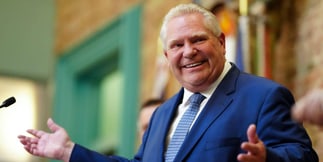
The Mohawk Council says it is satisfied that other intervenors will carry its arguments forward as the Supreme Court weighs whether Ontario can pool iGaming liquidity with foreign jurisdictions. (Image: JHVEPhoto, Alamy)
The Mohawk Council of Kahnawà:ke has withdrawn from the Supreme Court of Canada appeal over whether Ontario can legally pool peer-to-peer game liquidity with players in other countries, citing strategic resource allocation as the primary reason for stepping back.
The Quebec-based First Nations authority had been an intervening party in the original Ontario Court of Appeal reference question filed in late 2024, which was brought forward by the government of Ontario alongside the Canadian Gaming Association and major poker operators Flutter (PokerStars) and NSUS (GGPoker).
The Ontario Court of Appeal ruled it would be legal under the Criminal Code for the province to connect players of peer-to-peer games, such as online poker and daily fantasy sports, with players in other nations.
That decision prompted several Canadian Lottery Coalition members to file a Supreme Court appeal, including the Atlantic Lottery Corporation, the British Columbia Lottery Corporation and Manitoba Liquor and Lotteries. Loto-Quebec has since joined the appeal as well.
As we previously reported, Alberta Gaming, Liquor, and Cannabis entered the proceedings as an intervening party on the side of Ontario.
Kahnawà:ke Cites Resource Strategy in Decision to Step Back
In a statement provided to Canadian Gaming Business, Mohawk Council representative Tehosterihens Deer said the decision came down to both representation and practicality.
"The Mohawk Council of Kahnawà:ke carefully considered its involvement at the appellate level and determined that its perspective would be sufficiently reflected by other intervenors in the proceedings based on the arguments raised at the Court of Appeal," Deer said.
"In addition, the Council is mindful of the need to allocate its resources strategically and did not consider that further participation would be the most effective use of those resources in this instance. As a result, it elected not to seek leave to intervene before the Supreme Court of Canada."
The Mohawk Council of Kahnawà:ke is the primary governing and administrative body for the Kahnawà:ke Mohawk Territory, a First Nations reserve near Montreal.
It conducts and licenses gaming through the Kahnawà:ke Gaming Commission, and its wholly-owned subsidiary Mohawk Online Limited previously operated the Sports Interaction platform in Canada outside Ontario under an agreement with Entain that ended in late 2024.
A Pattern of Unsuccessful Ontario Challenges
This is not the first time Kahnawà:ke has stepped back from a legal fight with Ontario over iGaming. In mid-2024, the Council lost an Ontario Superior Court case in which it argued that Ontario's iGaming model was unconstitutional.
It claimed the province had improperly re-interpreted the Criminal Code by allowing operators to "conduct and manage" themselves, and also argued that Ontario online casinos compromised First Nations gaming rights.
Justice Lisa Brownstone rejected that challenge, finding that iGaming Ontario operates within the law. Kahnawà:ke did not appeal that ruling and subsequently shut down Mohawk Online Limited's Ontario operations.
In its filings in the original Court of Appeal reference, Kahnawà:ke had argued that a player-pooling model would be illegal because it would not be entirely hosted "in" Ontario.
Ontario and its supporters countered that, as the Ontario side of the game would be hosted and regulated by the province, it should qualify as legal. As we reported at the time, the Court of Appeal broadly agreed with Ontario's position.
Alberta and Ontario Push Toward Shared Liquidity
While the Supreme Court appeal plays out, the Ontario and Alberta iGaming decision makers are already moving toward a bilateral liquidity agreement ahead of Alberta's regulated market launch on July 13.
In a recent exclusive interview with Casinos.com, Alberta iGaming Corporation CEO Dan Keene made clear where the province stands on the issue.
"We're supportive of shared liquidity. We are working on an agreement with Ontario in terms of reaching a consensus on shared liquidity interprovincially. We're in favour of it."
The Supreme Court appeal remains ongoing, with the central question being whether a province can legally connect its peer-to-peer iGaming players with those in foreign jurisdictions, provided all involved jurisdictions consent.
It's Tribal Gaming Month at Casinos.com. Head over to our tribal gaming hub to explore the history, culture and business of tribal and First Nations gaming across North America, and check out our exclusive competition for your chance to win a prize.
Meet The Author
Experience

Shane Donnelly is an experienced journalist, writer, and editor who has been working in the online gambling ecosystem for seven years, and the media industry in general for well over a decade. Specializing in the Canadian market, Shane keeps a keen eye on industry trends, market movements, and innovations in gaming tech, always with player welfare at the forefront of his mind. When not staying on top of the latest iGaming developments, he can be found playing water polo with his local team, where he struggles to stay afloat.
Read Full BioRelated News








Test Your Luck
Not Your Spam Filter
Sign up to receive emails and promotions from Casinos.com