Gisborne Gaming Machine Proceeds Hit Four-Year Low, Still 21% Above NZ Average


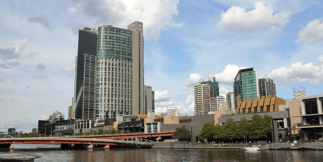
Gisborne's clock tower marks the centre of a district where gaming-machine proceeds have fallen to a four-year low even as spending stays above the national average. (Photo: russellstreet / Wikimedia Commons)
Gambling-machine proceeds in the Gisborne district fell to their lowest level in four years in 2025, even as local spending remained 21% above the national average, according to figures presented to Gisborne District Council on 17 September 2026.
The report showed proceeds after payouts across the district's gaming machine venues reached NZ$12.2 million in 2025, down from a peak of NZ$13.11 million in 2023, despite no change to the number of venues or machines over that period.
Spend Per Machine Still Above National Average
As of March 2026, the district had 11 gaming venues, 10 in Gisborne city and one in Ruatoria, running 159 electronic gaming machines. Average spend per machine last year was NZ$76,712, equivalent to NZ$231 per capita in the Tairawhiti region, compared with a national average of NZ$191 per capita.
That gap puts Gisborne 21% above the New Zealand-wide average for gaming-machine proceeds, down from 31% above average in 2023, when local spending peaked at NZ$256 per capita.
Councillors Point to Online Gambling
Councillors reviewing the district's 'sinking lid' policy, which bars any new Class 4 gaming venues or machines from opening, used the falling proceeds figures to raise concerns about gambling activity moving online, where it falls outside the policy's scope entirely.
Councillor Jeremy Muir asked council staff to investigate the growth of online gambling in the district and the availability of addiction support services locally. Mayor Rehette Stoltz went further, recommending staff write to the Minister of Internal Affairs, Brooke van Velden, to raise the council's concerns directly with central government.
'I think it's time for us to elevate that discussion to where those decisions are made,' Stoltz said, according to Local Democracy Reporting, adding that reviewing the venue policy alone risked 'ignoring the larger issue of online gambling.'
Sinking Lid Policy Retained
The policy itself, last reviewed in 2022, prevents venues from relocating their machines except where required for earthquake strengthening, and caps venues at 10 machines each if clubs merge, down from a previous limit of 18.
After discussion, councillors opted for a special consultation on wording clarifications only, rather than substantive changes to the gambling duty and venue framework, with councillor Larry Foster noting that 'gambling seems to be decreasing a little bit across the board' under the existing rules.
Council staff had consulted venues, health organisations, police and local iwi ahead of the meeting, though officials noted no formal response was received from iwi and hapu representatives during that process.
What Class 4 Covers
Class 4 gambling, the category the sinking lid policy targets, covers pub and club gaming machines, sometimes called pokies, and is distinct from casinos, the TAB, lotteries and online betting under New Zealand's gambling law. Proceeds from Class 4 machines are required to be returned to communities through grants, which is why councils track venue-level spending closely even as overall activity shifts toward digital platforms the sinking lid policy cannot reach.
Meet The Author
Experience

 Brand Manager
Colm Phelan has spent several years working in the iGaming industry and has plenty of experience when it comes to writing, researching and rigorously testing online casinos and sportsbooks. While Colm has invested a lot of his time into the digital marketing world but his other passions include poker and a variety of sports including golf, NFL and football.
Read Full BioRelated News









Test Your Luck
Not Your Spam Filter
Sign up to receive emails and promotions from Casinos.com