Find Your Favorite Texas Casinos 2026


Updated by Lynsey Thompson
Casino Expert

Fact Checked by Michael Graham
Content Editor
The state of Texas has some of the strictest gambling laws in the US. Land-based casinos are illegal, therefore, the only casinos in Texas permitted to operate are tribal casinos on reservation land.
The tribes have fought hard for their casinos in TX. Even with the support of the Indian Gaming Regulation Act in 1988, Texas lawmakers have still tried and succeeded in shutting them down several times. However, a Supreme Court ruling in 2022 sided with the tribes, so there are now three casinos in Texas for gamblers to enjoy.
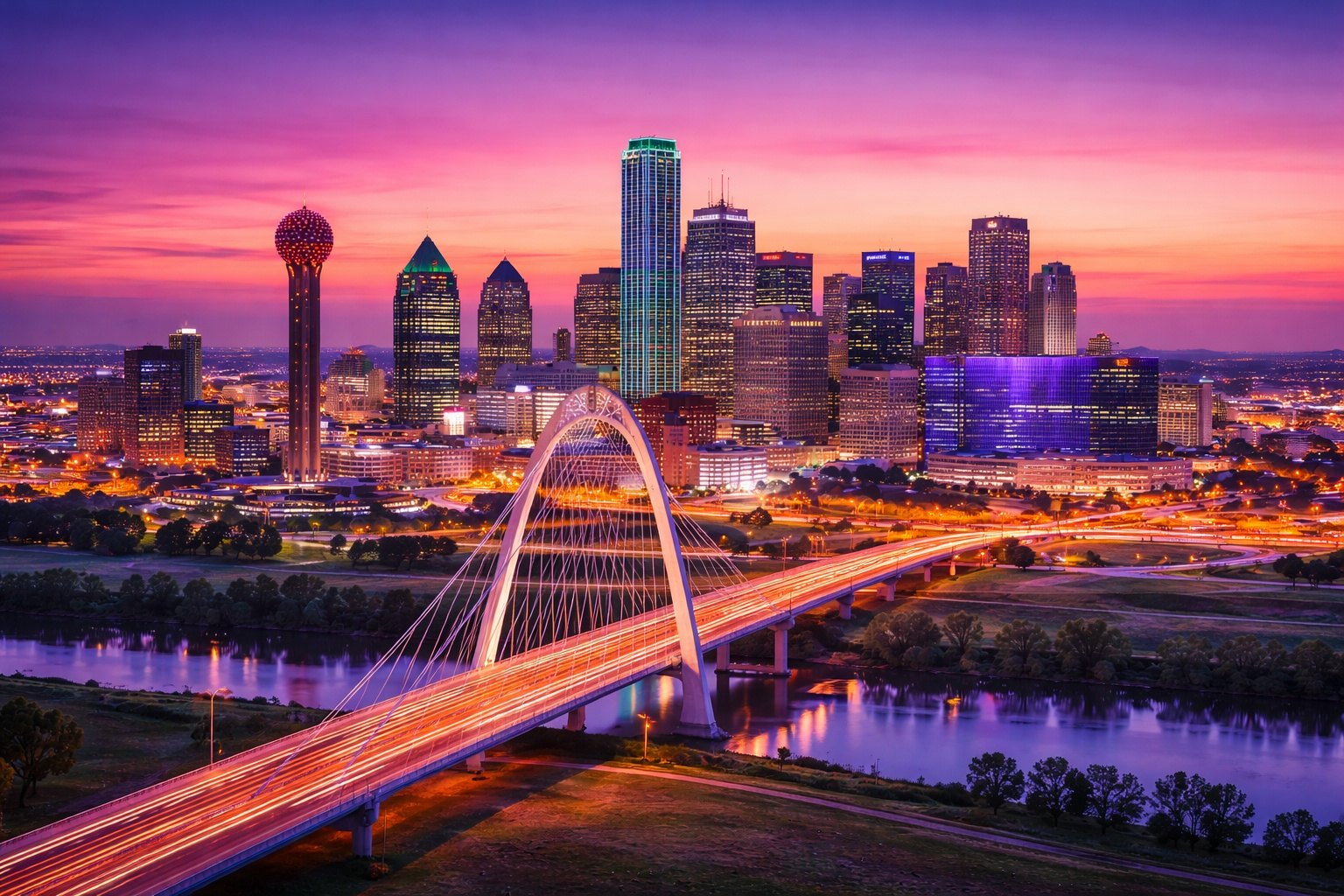



Texas Land-Based Casino Operators
All three casinos in Texas are Class II gaming facilities, meaning the slots resemble Vegas-style machines but operate on a bingo mechanic. The casinos are owned by the following tribes:
- Kickapoo Traditional Tribe – Operate Kickapoo Lucky Eagle Casino Hotel in Eagle Pass, Maverick County
- Ysleta del Sur Pueblo (Tigua Tribe) – Operate Speaking Rock Casino in El Paso
- Alabama-Coushatta Tribe – Own the Naskila Casino in Livingston and are planning a second casino
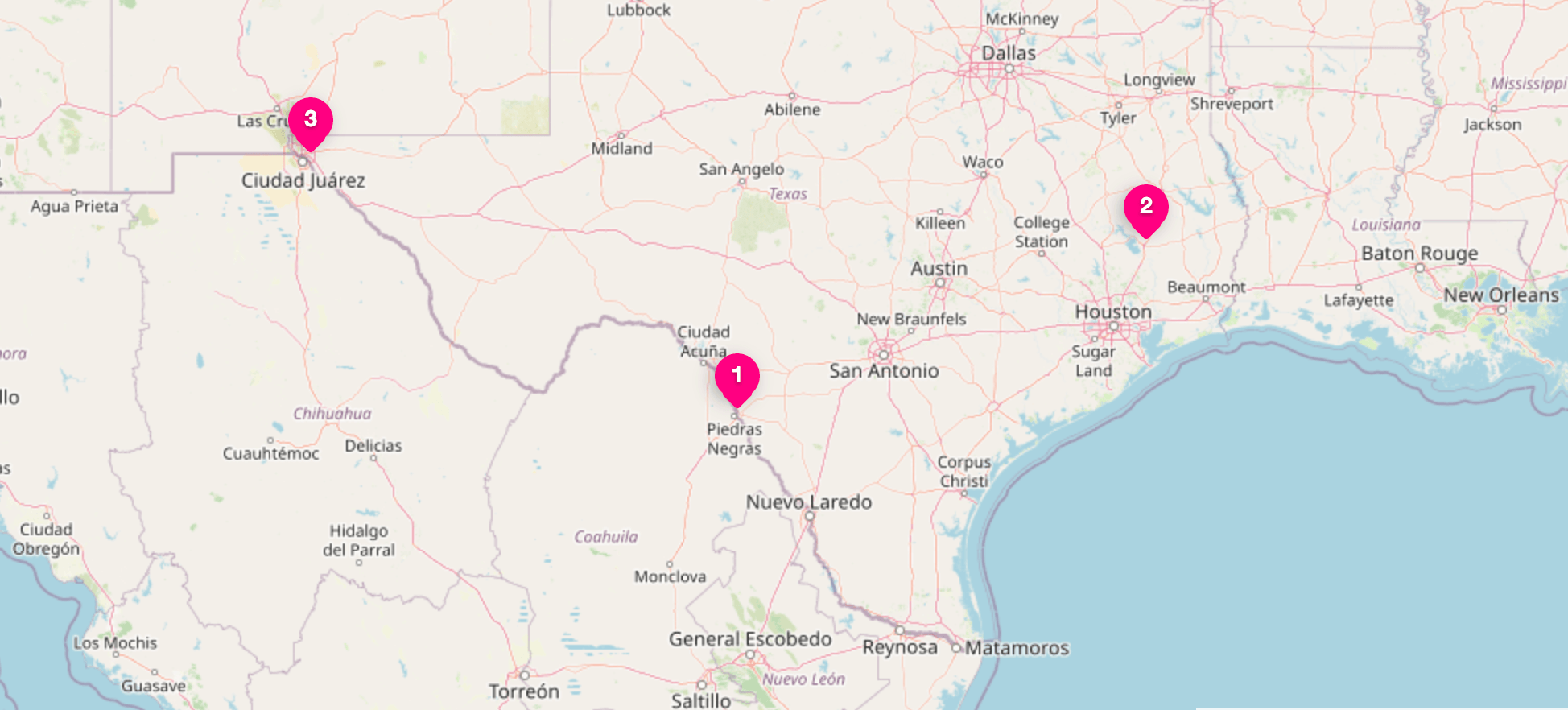
Texas Casinos at a Glance
Texas Casinos
Let’s take a look at these Texas casinos in more detail:
- Kickapoo Lucky Eagle Casino Hotel (Eagle Pass, TX) – The largest Texas casino is located just a short drive from South Central Texas and the Rio Grande Valley. The resort features a 250-room hotel, three restaurants, three quick eats, three bars, and an entertainment venue. The casino offers 3,300 slots, live poker, and bingo.
- Speaking Rock Casino (El Paso, TX) – Features 200 slot machines, bingo, outdoor concert and event space, restaurant, café, and bars.
- Naskila Casino (Livingston, TX) – Located 90 minutes north of Houston, the Naskila Casino has 800 slot machines and two restaurants.
Map of Texas Casinos
Poker Rooms in Texas
Poker options in Texas are extremely limited under current gambling laws. The only fully legal and regulated poker room operates at Kickapoo Lucky Eagle Casino Hotel in Eagle Pass, offering live poker under tribal Class II gaming rules.
While private membership-based poker clubs operate in some Texas cities, they exist in a legal gray area and are not state-regulated casinos in TX.

Did You Know?
Texas Hold’em, the world’s most famous poker variant, was actually born in the small town of Robstown, Texas, in the early 1900s. The game eventually made its way to Las Vegas in 1967, where it exploded in popularity and later became the main event format of the World Series of Poker (WSOP).
Racetracks in Texas
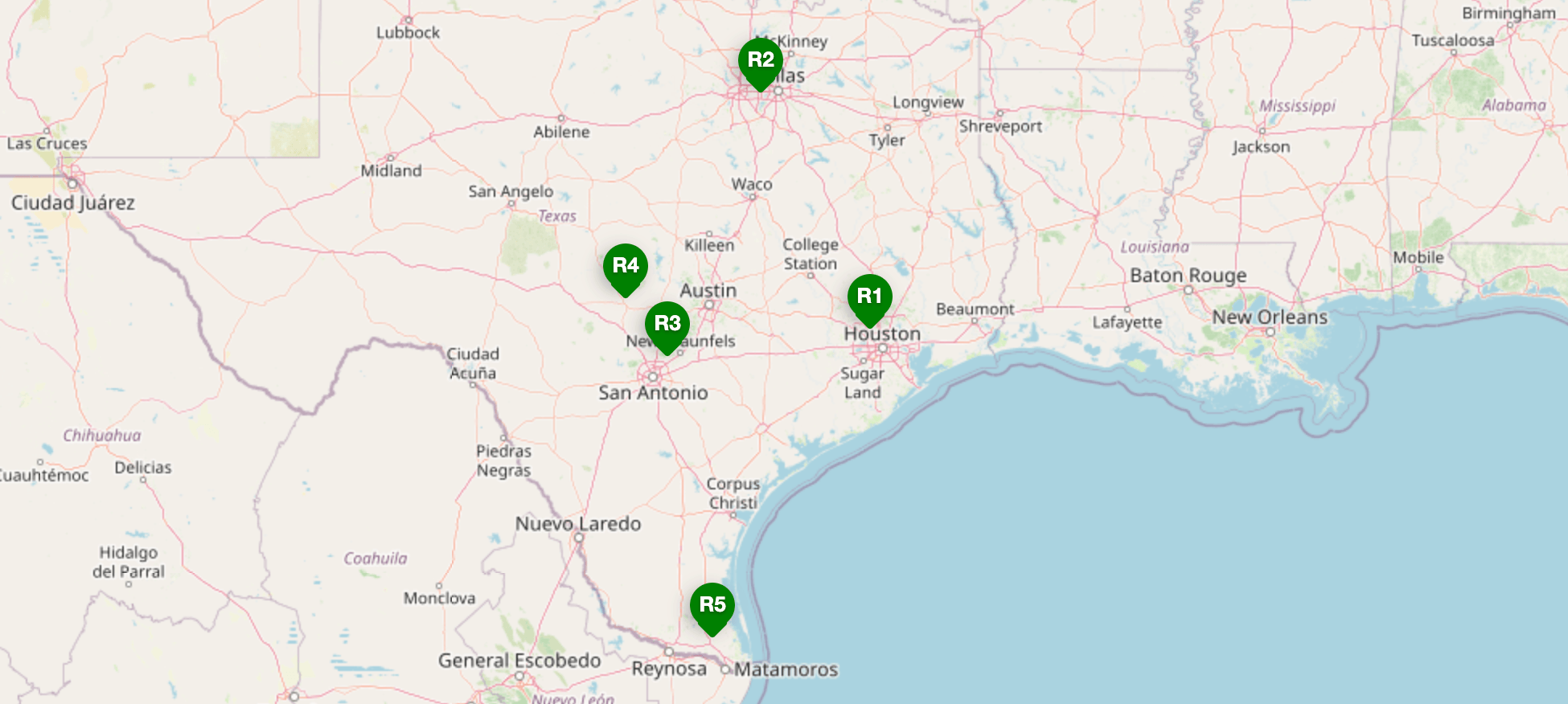
Horse racing is legal in Texas under pari-mutuel wagering laws, with several active racetracks across the state hosting seasonal live meets and year-round simulcast betting.
- Sam Houston Race Park (Houston, TX) – Sam Houston Race Park is one of the premier horse racing venues in Texas, hosting both Thoroughbred and Quarter Horse meets. Opened in 1994, it features live racing seasons, simulcast wagering, dining options, and special events. It is widely considered the state’s flagship horse racing facility.
- Lone Star Park (Grand Prairie, TX) – Located in the Dallas-Fort Worth area, Lone Star Park is a major Thoroughbred racetrack that opened in 1997. It offers live racing during seasonal meets and year-round simulcast betting. The venue includes grandstand seating, hospitality suites, and regular racing festivals.
- Retama Park (Selma, TX) – Retama Park serves the San Antonio region and hosts both Quarter Horse and Thoroughbred racing. Opened in 1995, it provides live seasonal meets and simulcast wagering throughout the year. The track also features event spaces and dining facilities for race-day visitors.
- Gillespie County Fairgrounds (Fredericksburg, TX) – Gillespie County Fairgrounds is a historic Texas racing venue known for hosting seasonal live horse racing events. It typically features Quarter Horse and mixed meets during limited annual race weekends. The fairgrounds setting gives it a smaller, community-focused atmosphere compared to major racetracks.
- Valley Race Park (Historic) (Harlingen, TX) – Valley Race Park operated in the Rio Grande Valley and hosted Thoroughbred racing after opening in the 1990s. Financial difficulties led to its closure, and it is no longer an active racing venue. It remains a notable part of Texas horse racing history.
Map of Texas Racetracks
Nearby Alternative: WinStar World Casino
While Texas has only three tribal casinos, many Texans choose to visit WinStar World Casino & Resort just across the state border in Thackerville, Oklahoma. Located about an hour north of Dallas-Fort Worth, WinStar is often promoted as the largest casino in the world and offers thousands of slot machines, table games, poker, hotels, dining, and entertainment options. It’s a popular out-of-state gaming destination for Texas residents seeking a full-scale casino experience.
More Than Gambling
Texas is huge, so the list of things to do and see is endless, whether you enjoy some cowboy culture, great food, big city vibes, or outdoor adventures. Check out some of the top places to go.
- Big Cities – State capital Austin, alongside Dallas, Houston, and San Antonio, is jam-packed with history, culture, and attractions. Austin is ideal for live music; San Antonio has the historic site of The Alamo; Dallas has The Sixth Floor Museum; and Houston has the NASA visitor center.
- Outdoor Adventures – You name it, you can do it in Texas. Swim in natural springs at Barton Springs Pool, go kayaking and paddle boarding in Lady Bird Lake, go biking in Buffalo Bayou Park, or go hiking, stargazing, and rafting on the Rio Grande at Big Bend National Park.
- Fun Days Out – Visit Six Flags theme park, the Dallas Botanical Garden, take a dolphin cruise at South Padre Island, spend a day on the beach at Galveston, or get the full cowboy experience at Fort Worth Stockyards with cattle drives and rodeos.
- Cuisine – Texas has a diverse range of cuisine with regional specialties. For example, it’s all about barbecue in Austin and Dallas, but in San Antonio or Houston, it’s all about Tex-Mex food. Interestingly, West Texas has a high population of Czech people, and one of the most popular foods is Kolaches, which are small pastries filled with meat, fruit, or cheese.
 Texas BBQ Smokes Big
Texas is home to some of the largest barbecue smokers in the world. At famous Texas BBQ joints, massive offset smokers – sometimes built from repurposed oil tanks or propane cylinders – can cook hundreds of briskets at once, slowly smoking the meat for 12–18 hours to achieve the signature Texas bark and tenderness.
More Popular Destinations to Explore

Find Your Favourite London Casinos in 2026
Read More
Find Your Favorite Las Vegas Casino Resorts 2026
Read More
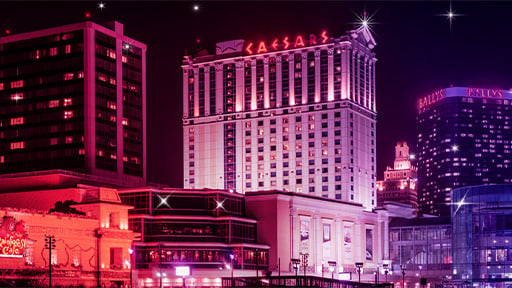
Find Your Favorite Atlantic City Casino Resorts 2026
Read More

Find Your Favorite Florida Casino Resorts 2026
Read More
Responsible Gambling
Gambling should always be fun and treated as entertainment – not a way to make money. If you feel your gambling is becoming difficult to control, help is available.
Call the National Problem Gambling Helpline at 1-800-GAMBLER for free, confidential support.
Set a budget before you play, only gamble with money you can afford to lose, and never chase losses. If needed, take a break and seek support.
Legal Disclaimer
This page is for informational purposes only and does not constitute legal or financial advice. Gambling laws in Texas are subject to change.
For official and up-to-date information, refer to the Texas Lottery Commission or relevant tribal authorities. Always ensure you meet age requirements before participating in any gambling activity.
Meet The Author
Experience

Lynsey is a regular Las Vegas visitor and a keen slots and roulette player. As well as significant experience as a writer in the iGaming and gambling industries as an expert reviewer and journalist, Lynsey is one half of the popular Las Vegas YouTube Channel and Podcast 'Begas Vaby’. When she is not in Las Vegas or wishing she was in Las Vegas, Lynsey can usually be found pursuing her other two main interests of sports and theatre.
Read Full BioDisclosure
FAQs
There are currently three registered casinos operating in Texas. All are tribal-owned Class II gaming facilities located on Native American reservation land. Commercial Las Vegas-style casinos are not permitted under Texas law, making these three tribal venues the only legal land-based casino options in the state.
Kickapoo Lucky Eagle Casino Hotel in Eagle Pass is the largest casino in Texas. It offers the widest selection of gaming machines in the state, a hotel, dining options, entertainment venues, and the only fully regulated poker room in Texas.
All Texas casinos operate as Class II gaming facilities, meaning their slot machines function using a bingo-based system rather than traditional Vegas-style mechanics. Players can enjoy electronic gaming machines, bingo, and limited live poker. Kickapoo Lucky Eagle Casino also features the only fully regulated poker room in Texas.
No, Texas does not permit racinos or sportsbooks. While horse racing is legal under pari-mutuel wagering laws at licensed racetracks, casino-style racetrack gaming is not allowed. Additionally, retail and online sports betting remain illegal under current Texas gambling regulations.
Yes, horse racing is legal in Texas under pari-mutuel wagering laws. Several racetracks host seasonal live Thoroughbred and Quarter Horse meets, along with year-round simulcast betting. Major venues include Sam Houston Race Park, Lone Star Park, and Retama Park, among others listed in the guide.
Ask the experts
Need expert help? Ask a question and one of our in-house experts will get back to you...


Test Your Luck
Not Your Spam Filter
Sign up to receive emails and promotions from Casinos.com