Find Your Favourite Arizona Casinos and Resorts 2026


Updated by Lynsey Thompson
Casino Expert

Fact Checked by Michael Graham
Content Editor
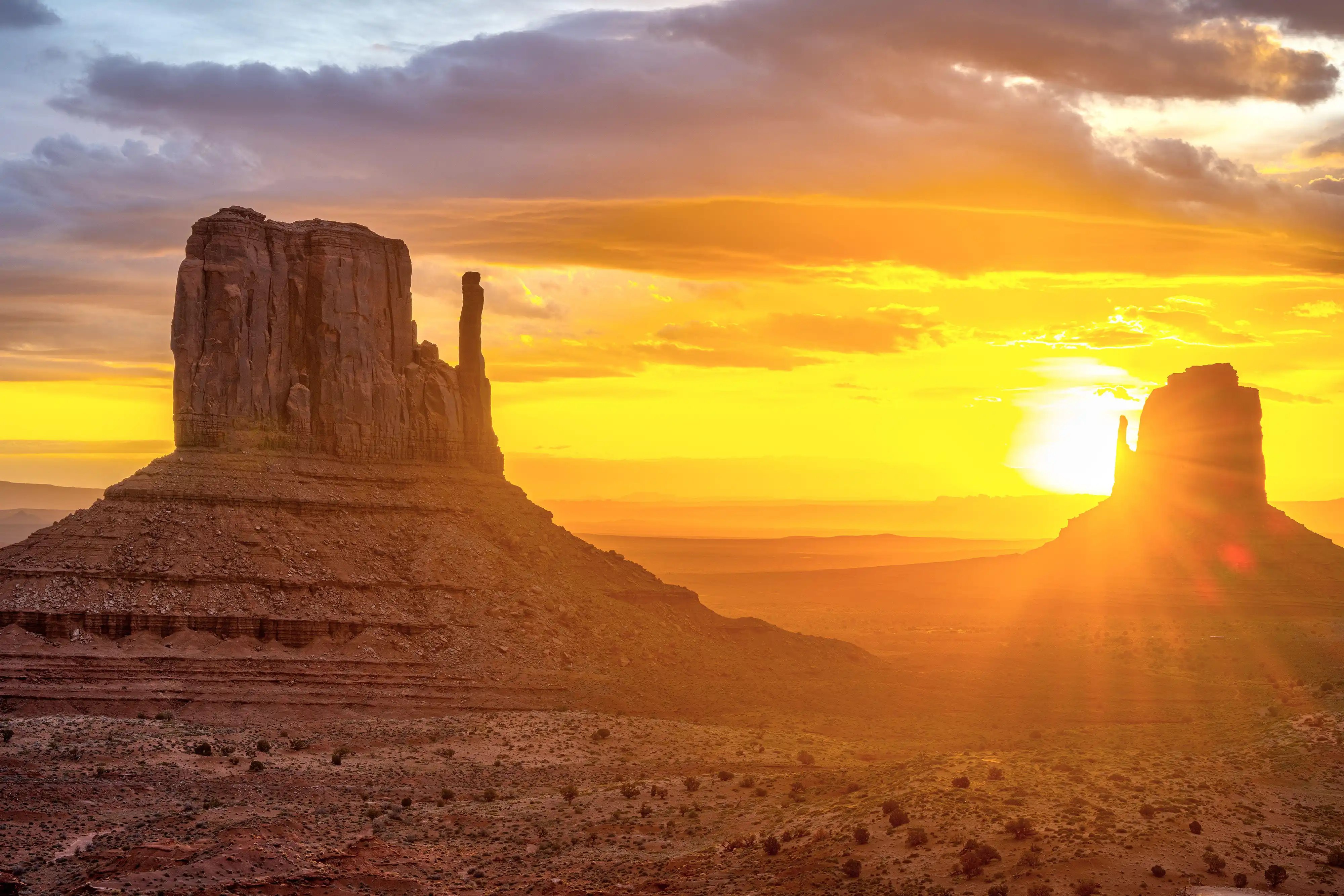
Arizona's casino landscape is unlike anything else in the United States. More than a quarter of the state's land sits within tribal boundaries, and every casino here operates under a compact negotiated with one of its 22 federally recognized tribes. There are no commercial casinos, no riverboats, no card rooms. The state is also home to Monument Valley, the sandstone butte scenery Aristocrat immortalized in its Buffalo slot series, arguably the most recognizable slot machine backdrop in the world.
AZ Casino Resorts at a Glance



Land-Based Casinos In Wyoming
Arizona is tribal gaming country. All 26 casino properties in the state are owned and operated by federally recognised Native American tribes, governed by compacts originally signed in the early 2000s and significantly updated in April 2021 alongside the legalisation of sports betting. Sixteen of Arizona's 22 federally recognised tribes currently operate casinos, while the remaining six hold slot machine rights they can lease to gaming tribes through Transfer Agreements, ensuring even non-gaming tribes benefit from the state's gambling economy.
Under the compact, each facility is authorised to operate a maximum of 1,400 gaming machines, with table game allowances varying by proximity to large cities. All Arizona tribal casinos require visitors to be 21 or older, and tribes contribute a portion of net gaming revenues to the Arizona Benefits Fund, supporting public education, emergency services, tourism, and wildlife conservation.
Major Resort and Destination Casinos
- Talking Stick Resort, Scottsdale, Salt River Pima-Maricopa Indian Community: Full resort complex with hotel, multiple restaurants, a spa, and one of the busiest poker rooms in the state.
- Casino Arizona, Scottsdale, Salt River Pima-Maricopa Indian Community: A slots and table games focused property without a hotel, operating alongside Talking Stick under the same tribal ownership.
- We-Ko-Pa Casino Resort, Fountain Hills, Fort McDowell Yavapai Nation: Resort casino northeast of Phoenix with hotel accommodation and a broad gaming floor.
- Harrah's Ak-Chin, Maricopa, Ak-Chin Indian Community: One of the few Arizona tribal casinos to carry a major commercial brand, operating under a management agreement with Caesars Entertainment.
- Wild Horse Pass Hotel and Casino, Chandler, Gila River Indian Community: The flagship property of one of the state's largest tribal gaming operators, part of a broader resort precinct on the reservation.
- Vee Quiva Hotel and Casino, Laveen, Gila River Indian Community: Hotel-casino serving the west Phoenix area, operated alongside Wild Horse Pass under the same community.
- Casino Del Sol, Tucson, Pascua Yaqui Tribe: The largest casino resort in southern Arizona, with a full-service hotel, spa, multiple restaurants, and a dedicated entertainment venue hosting national touring acts.
- Twin Arrows Navajo Casino Resort, Flagstaff, Navajo Nation: The Navajo Nation's flagship Arizona property on Interstate 40 east of Flagstaff, with hotel accommodation and strong resort amenities.
- Desert Diamond Casino West Valley, Glendale, Tohono O'odham Nation: The most prominent of the Tohono O'odham Nation's four Arizona properties, serving the west Phoenix and Glendale corridor.
- Cocopah Resort Casino, Somerton, Cocopah Tribe: Hotel-casino in the far southwest corner of the state near Yuma.
- BlueWater Resort and Casino, Parker, Colorado River Indian Tribes: Resort property on the Colorado River with hotel accommodation and a waterfront setting.
- Apache Gold Casino Resort, San Carlos, San Carlos Apache Tribe: Hotel-casino on Highway 70 in the central mountain corridor, one of the more established rural resort properties in the state.
| Casino | Location | Tribe | Slots | Table Games | Poker Room | Hotel | Sportsbook |
|---|---|---|---|---|---|---|---|
| Talking Stick Resort | Scottsdale | Salt River Pima-Maricopa | Yes | Yes | Yes | Yes | Yes |
| Casino Arizona | Scottsdale | Salt River Pima-Maricopa | Yes | Yes | Yes | No | Yes |
| We-Ko-Pa Casino Resort | Fountain Hills | Fort McDowell Yavapai Nation | Yes | Yes | Yes | Yes | Yes |
| Harrah's Ak-Chin | Maricopa | Ak-Chin Indian Community | Yes | Yes | Yes | Yes | Yes |
| Wild Horse Pass Hotel and Casino | Chandler | Gila River Indian Community | Yes | Yes | Yes | Yes | Yes |
| Vee Quiva Hotel and Casino | Laveen | Gila River Indian Community | Yes | Yes | No* | Yes | Yes |
| Casino Del Sol | Tucson | Pascua Yaqui Tribe | Yes | Yes | Yes | Yes | Yes |
| Twin Arrows Navajo Casino Resort | Flagstaff | Navajo Nation | Yes | Yes | No* | Yes | Yes |
| Desert Diamond Casino West Valley | Glendale | Tohono O'odham Nation | Yes | Yes | No* | No | Yes |
| Cocopah Resort Casino | Somerton | Cocopah Tribe | Yes | Yes | No* | Yes | No |
| BlueWater Resort and Casino | Parker | Colorado River Indian Tribes | Yes | Yes | No* | Yes | No |
| Apache Gold Casino Resort | San Carlos | San Carlos Apache Tribe | Yes | Yes | No* | Yes | No |
* Poker room availability at these properties could not be independently verified. We recommend confirming directly with the casino before your visit.
Smaller and Locals-Focused Casinos
- Lone Butte Casino, Chandler, Gila River Indian Community: Slots-focused locals casino in the southeast Valley, part of the Gila River community's three-property portfolio.
- Santan Mountain Hotel and Casino, Chandler, Gila River Indian Community: Recently rebranded property offering hotel accommodation alongside slots and table games in the Chandler area.
- Desert Diamond Casino White Tanks, Waddell, Tohono O'odham Nation: The newest of the Desert Diamond properties, opened in late 2024 and serving the rapidly growing northwest Phoenix corridor.
- Desert Diamond Sahuarita, Tohono O'odham Nation: Compact casino south of Tucson serving local communities in the Sahuarita and Green Valley area.
- Desert Diamond Why, Tohono O'odham Nation: Small, remote property near the town of Why in Pima County, primarily serving travellers in the area.
- Casino of the Sun, Tucson, Pascua Yaqui Tribe: Smaller companion property to Casino Del Sol, offering slots and limited table games on the west side of Tucson.
- Paradise Casino, Fort Yuma, Quechan Tribe: Gaming facility on the Arizona-California border near Yuma, popular with visitors from both states.
- Apache Sky Casino, Winkelman, San Carlos Apache Tribe: Smaller second property of the San Carlos Apache Tribe, located off Highway 77 in the central corridor.
- Cliff Castle Casino, Camp Verde, Yavapai-Apache Nation: Well-positioned casino in the Verde Valley, convenient for travellers between Phoenix and Flagstaff.
- Bucky's Casino, Prescott, Yavapai-Prescott Tribe: Compact, locals-focused property in downtown Prescott, one of the more urban-feeling tribal casinos in the state.
- Hon-Dah Resort Casino, Pinetop-Lakeside, White Mountain Apache Tribe: Hotel-casino in the White Mountains serving the eastern Arizona highland region.
- Mazatzal Casino, Payson, Tonto Apache Tribe: Small casino on the edge of Payson, notable for being the first Arizona tribal property to go live with retail sports betting.
- Spirit Mountain Casino, Mohave Valley, Fort Mojave Indian Tribe: Gaming facility near the Nevada and California borders, serving the Tri-State area around Laughlin.
Sports Betting in Arizona
Arizona launched legal sports betting on September 9, 2021, the opening weekend of the NFL season, making it one of the fastest states to move from legislation to live market. Governor Doug Ducey had signed HB 2772 into law just five months earlier following a 23 to 6 vote in the state senate, and the market hit the ground running, recording a $291 million handle in its first full month, which was at the time the highest debut figure in US history.
The licensing model is built around Arizona's existing tribal relationships. Up to 20 licences are available in total, split evenly between federally recognised tribes and professional sports teams or venues. Tribal operators partner with major sportsbook brands, while the professional sports side has produced some of the most prominent retail sportsbook locations in the country, including BetMGM at State Farm Stadium, FanDuel at Footprint Center, and DraftKings at TPC Scottsdale. As of early 2026, 14 operators are active in the state and the annual handle surpassed $9 billion in 2025.
Online wagering is taxed at 10% of gross revenue and retail at 8%. Bettors can wager on college sports including in-state teams, though player proposition bets on athletes competing for Arizona-based colleges or universities are not permitted. The minimum age for sports betting is 21, in line with the casino gambling age across the state.
Your First Visit to an Arizona Casino
Arizona's tribal casino market is large and varied enough that the experience differs considerably depending on where in the state you are heading. The Phoenix metro area properties, particularly Talking Stick Resort and We-Ko-Pa Casino Resort, are polished Four Diamond destinations with golf courses, spas, and multiple dining outlets. Casino Del Sol in Tucson operates at a similar level, with 215 rooms, a 5,000-seat outdoor amphitheatre hosting national touring acts, and the Hiapsi Spa offering treatments rooted in Pascua Yaqui cultural traditions. Properties further out, such as Apache Gold and Twin Arrows, are more self-contained but still offer genuine resort experiences. Wherever you are going, the minimum gambling age is 21 and photo ID is required at entry.
Getting There
Phoenix Sky Harbor International Airport is the main gateway for the state. Talking Stick Resort and Casino Arizona are both within a 20 to 30 minute drive under normal traffic conditions. Tucson International Airport is around 15 minutes from Casino Del Sol. For northern Arizona properties, Flagstaff Pulliam Airport serves Twin Arrows Navajo Casino Resort, which sits directly on Interstate 40 roughly 20 miles east of the city. Rural properties in the central corridor, including Apache Gold and Hon-Dah, require a drive from Phoenix or Tucson of between two and three hours.
Arrival and Entry
All Arizona tribal casinos require guests to be 21 or older to access the gaming floor. Photo identification is required. Most properties operate around the clock, though dining outlets and some amenities run to their own hours, so it is worth checking ahead if you have specific plans. Parking is free across the board, with covered garage parking available at several of the larger resort properties.
Slot Machines
Talking Stick Resort operates one of the largest gaming floors in the state, with more than 700 machines across a wide range of denominations. Casino Del Sol runs over 1,300 slots. Both properties, along with We-Ko-Pa and Wild Horse Pass, offer high-limit rooms for players looking to step away from the main floor. All Arizona tribal casinos use ticket-in, ticket-out systems rather than coin payouts.
Table Games
Full Class III table gaming is available across the major resort properties. Talking Stick Resort and Casino Arizona both carry a strong table game offering, as do Wild Horse Pass and Casino Del Sol, which runs approximately 30 live tables including blackjack, poker, and bingo. Under the terms of the tribal-state compact, properties within 40 miles of a city with more than 400,000 residents may offer up to 150 card game tables. Properties further out are capped at 100, though most rural casinos operate well below that ceiling.
Poker Rooms
Talking Stick Resort is home to the largest dedicated poker room in Arizona, dealing Texas Hold'em, Omaha, and Seven-Card Stud around the clock. Casino Arizona runs a strong poker offering under the same tribal ownership. Casino Del Sol also has a poker room. Smaller properties outside the Phoenix and Tucson areas generally do not offer dedicated poker, so if poker is the main reason for your visit, the Scottsdale properties are your best starting point.
Taking a Break
Talking Stick Resort's Orange Sky restaurant, on the 15th floor, has held Wine Spectator's Best of Award of Excellence every year since 2016 and offers panoramic views across the Valley alongside a menu built around aged beef and fresh seafood. Casino Del Sol's PY Steakhouse carries a Forbes Four Star rating and draws on Sonoran Desert ingredients. Both properties also offer more casual around-the-clock dining options for players who do not want to leave the floor for long.
Staying Over
Talking Stick Resort offers hotel accommodation alongside two outdoor pools, a championship 36-hole golf course managed by Century Golf, and a spa on the 14th floor using products tied to the cultural heritage of the Salt River Pima-Maricopa Indian Community. Casino Del Sol's 215-room tower is a successive AAA Four Diamond recipient and sits 15 minutes from both downtown Tucson and Tucson International Airport. Twin Arrows Navajo Casino Resort provides a strong hotel option for visitors to northern Arizona, well positioned for day trips to the Grand Canyon and Monument Valley.
More Popular Destinations To Explore

Find Your Favourite London Casinos in 2026
Read More
Find Your Favorite Las Vegas Casino Resorts 2026
Read More
Find Your Favorite Atlantic City Casino Resorts 2026
Read More

Find Your Favorite Florida Casino Resorts 2026
Read More
Responsible Gaming
Arizona's Division of Problem Gambling, a division of the ADG, provides free resources and support for anyone affected by problem gambling, whether as a player, family member, or employer. The state operates a 24-hour confidential helpline, 1-800-NEXT-STEP (1-800-639-8783), connecting callers with master's level clinicians and referrals to treatment providers at no cost. Support is also available by texting NEXTSTEP to 53342.
Self-exclusion in Arizona covers two separate areas: tribal gaming facilities and event wagering and fantasy sports contests. Individuals can choose to exclude from one or both. The programme is administered by the ADG and distributed to all tribal gaming offices and licensed sportsbook operators, who are legally required to enforce it. Exclusion periods of one, five, or ten years are available and cannot be ended early. To register or find out more, contact the Arizona Department of Gaming directly.
Legal Disclaimer
This page is intended for informational purposes only and does not constitute legal or financial advice. Gambling laws and casino operations are subject to change, and some details on this page could not be independently verified. We recommend checking directly with individual casinos and the Arizona Department of Gaming before making any decisions based on the information provided. You must be 21 or older to gamble at any tribal casino or sportsbook in Arizona. Please gamble responsibly.
Meet The Author
Experience

Lynsey is a regular Las Vegas visitor and a keen slots and roulette player. As well as significant experience as a writer in the iGaming and gambling industries as an expert reviewer and journalist, Lynsey is one half of the popular Las Vegas YouTube Channel and Podcast 'Begas Vaby’. When she is not in Las Vegas or wishing she was in Las Vegas, Lynsey can usually be found pursuing her other two main interests of sports and theatre.
Read Full BioDisclosure
FAQs
Arizona has 26 Class III tribal gaming facilities operated by 16 federally recognized tribes, plus one Class II facility. There are no commercial casinos in the state — all casino gaming takes place on tribal lands under the Arizona Tribal-State Gaming Compact. All gaming in Arizona is regulated by the Arizona Department of Gaming.
Wild Horse Pass Hotel and Casino in Chandler, operated by the Gila River Indian Community, is one of Arizona's largest and most prominent casino resorts. Talking Stick Resort in Scottsdale, operated by the Salt River Pima-Maricopa Indian Community, and Desert Diamond Casino West Valley in Glendale are among the state's most visited properties, particularly given their proximity to the Phoenix metropolitan area.
Arizona's tribal casinos offer slot machines, live table games including blackjack, poker, keno and jackpot poker, and electronic gaming. Sports betting launched in September 2021 and is available at retail sportsbooks and through licensed mobile apps statewide. Online casino gaming is not legal in Arizona and the Arizona Department of Gaming has issued multiple cease-and-desist orders to unlicensed online operators. The minimum gambling age is 21.
Arizona has no traditional racinos. Sports betting launched in September 2021 under HB 2772, with licenses issued to both tribal casinos and professional sports teams and facilities. Arizona set a single-month sports betting record in October 2025 with $967 million wagered. Both retail and mobile wagering are available through licensed operators including DraftKings, FanDuel, BetMGM and Caesars.
Yes. Pari-mutuel wagering on horse racing is legal in Arizona and live Thoroughbred racing takes place at Turf Paradise in Phoenix. Simulcast wagering on out-of-state races is available at licensed facilities. Horse racing in Arizona is overseen by the Arizona Racing Commission under the Arizona Department of Gaming.
Ask the experts
Need expert help? Ask a question and one of our in-house experts will get back to you...


Test Your Luck
Not Your Spam Filter
Sign up to receive emails and promotions from Casinos.com