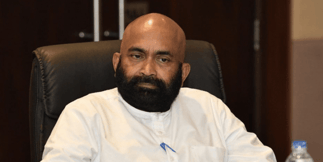
Maine Gov. Janet Mills has left dozens of bills unsigned and languishing at the end of the 2025 legislative session, including a tribal iGaming bill. (Photo: Robert F. Bukaty / AP)
Maine Gov. Janet Mills has held off on signing a bill that would allow Native American tribes in the state to offer iGaming to residents, likely setting up a pocket veto that will push any movement on the issue until 2026.
The bill, known as LD 1164, was passed by both houses of the Maine Legislature in June 2025.
Tribal iGaming Bill Narrowly Passed Senate
The legislation would give exclusive rights to online casinos in Maine to the Wabanaki Nations. The Wabanaki already have the exclusive ability to offer sports betting in the state.
The Maine House easily passed the bill by an 85-59 vote. However, the fight was much closer in Maine’s Senate, where lawmakers came up just one vote short of defeating it in an 18-17 vote to approve the legislation.
“The proposal to authorize iGaming for Maine’s tribes is more than a revenue conversation,” Brian Reynolds, Tribal Representative for the Houlton Band of Maliseet Indians, said during a House debate on the bill. “This is a chance for us to meet economic needs without waiting on federal grants or new appropriations. It allows us to stand on our own.”
But even as the proposal made its way through the legislature, there was speculation that Gov. Mills might veto the bill. Her administration even testified against the legislation when it was in committee discussions. And while that didn’t come to pass by the end of the 2025 legislative session, Mills didn’t sign the bill, either.
Governor Sitting on 60 Bills Passed by Lawmakers
On July 8, the governor’s office released a list of about 60 bills that had been passed by the Maine Legislature but which Mills had yet to take action on, including LD 1164.
“The Legislature passed a significant number of bills at the end of session, and the governor takes seriously her constitutional obligation to thoroughly review all of them and to evaluate their implications on Maine people, Maine businesses, and the Maine economy,” the governor’s office said in a statement. “In order to meet that responsibility, she will continue to review these bills and gather more information, and she looks forward to acting on them at the beginning of the next legislative session.”
Normally, Maine law requires the governor to sign or veto each bill passed by the legislature within 10 days, with a bill becoming law if the governor does neither. However, if the legislature adjourns before that deadline without a decision made, the bill will not become law – a process widely referred to as a “pocket veto.”
That will effectively push the iGaming bill (and all other outstanding bills) to 2026, unless the state legislature comes back for a special session, in which case Mills will have four days to veto each outstanding bill before they become law.
Other bills that were left on the governor’s desk at the end of the session include a controversial ban on so-called “ghost guns,” which are handmade or 3D printed and don’t have serial numbers.
Mills has previously used her veto power to slow down gambling legislation. In 2021, she vetoed a bill that would have allowed Maine’s tribes to operate brick-and-mortar casinos alongside the two commercial casinos currently up and running in the state.
Meet The Author
Experience

Ed Scimia is an experienced writer who has been covering the gaming industry since 2008. He graduated from Syracuse University in 2003 with degrees in Magazine Journalism and Political Science. As a writer, Ed has worked for About.com, Gambling.com, and Covers.com, among other sites. He has also authored multiple books and enjoys curling competitively, which has led to him creating curling-related content for his YouTube channel, "Chess on Ice."
Read Full BioRelated News








Test Your Luck
Not Your Spam Filter
Sign up to receive emails and promotions from Casinos.com