Reinventing Bingo: Industry Veteran Peter Woolley Talks Innovation and Community


Peter Woolley (r) on opening night at Palace bingo. (Image: Palace Bingo)
Bingo may have a nostalgic reputation, but in many UK towns it is evolving into something far more energetic. Few people understand that shift better than Peter Woolley, who recently oversaw major refurbishments at two long-standing bingo venues owned by his family.
“It was quite a long process,” he said. “Six months of planning and three months of renovations. And here we are with two shiny brand new venues.”
Growing Up in Bingo
Woolley’s connection to the industry runs deep and he shared that history exclusively with Casinos.com as our gues on the podcast.
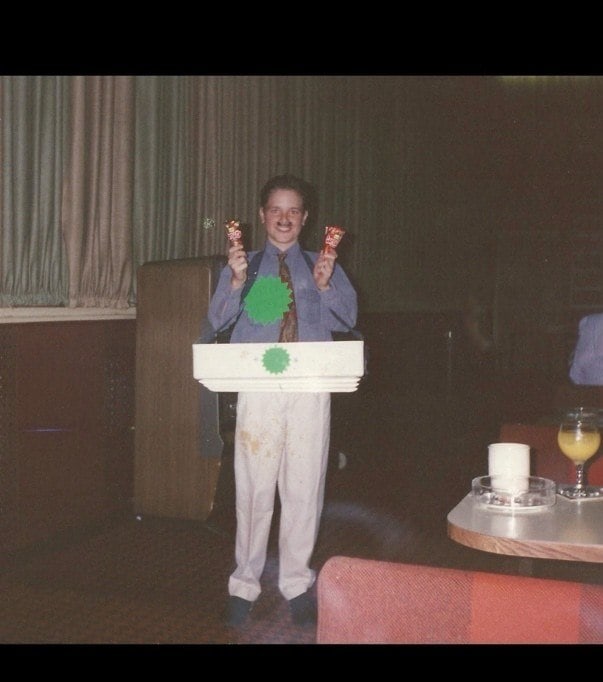
A young Peter Woolley selling ice creams, back in the day. (Image: Peter Woolley)
“When I was 13, I was washing up in the kitchen. When I was 14, I was selling ice creams around the tables. When I was 15, I was a caller. When I was 18, I was a manager,” he said.
“I’ve just progressed all my life really through the bingo industry.”
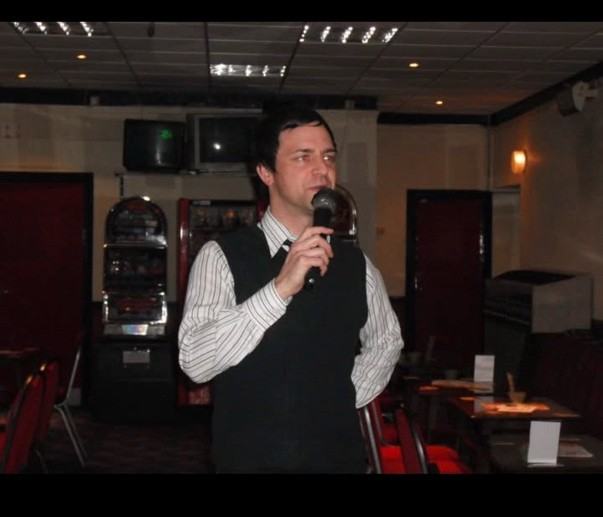
Peter Woolley bingo calling. (Image: Peter Woolley)
That background informed how he approached the refurbishments, which he completed alongside his brother and sister after decades of the business being run by their parents.
A New Generation of Players
While bingo once carried the stereotype of the “Beige Mac Brigade,” Woolley said that image no longer reflects reality.
“Our age range in my two clubs is anywhere between 18 and 108,” he said. Younger players, he explained, are drawn in by technology such as electronic tablets that make gameplay easier. Families often attend together.
“We get individuals, couples, groups, families sometimes of three or four generations playing bingo at the same time.”
Attracting those players is a mix of modern marketing and old-fashioned hospitality. Woolley uses Facebook, Instagram and TikTok, but still considers human connection the strongest tool. “Giving great service isn’t a thing of the past,” he said.
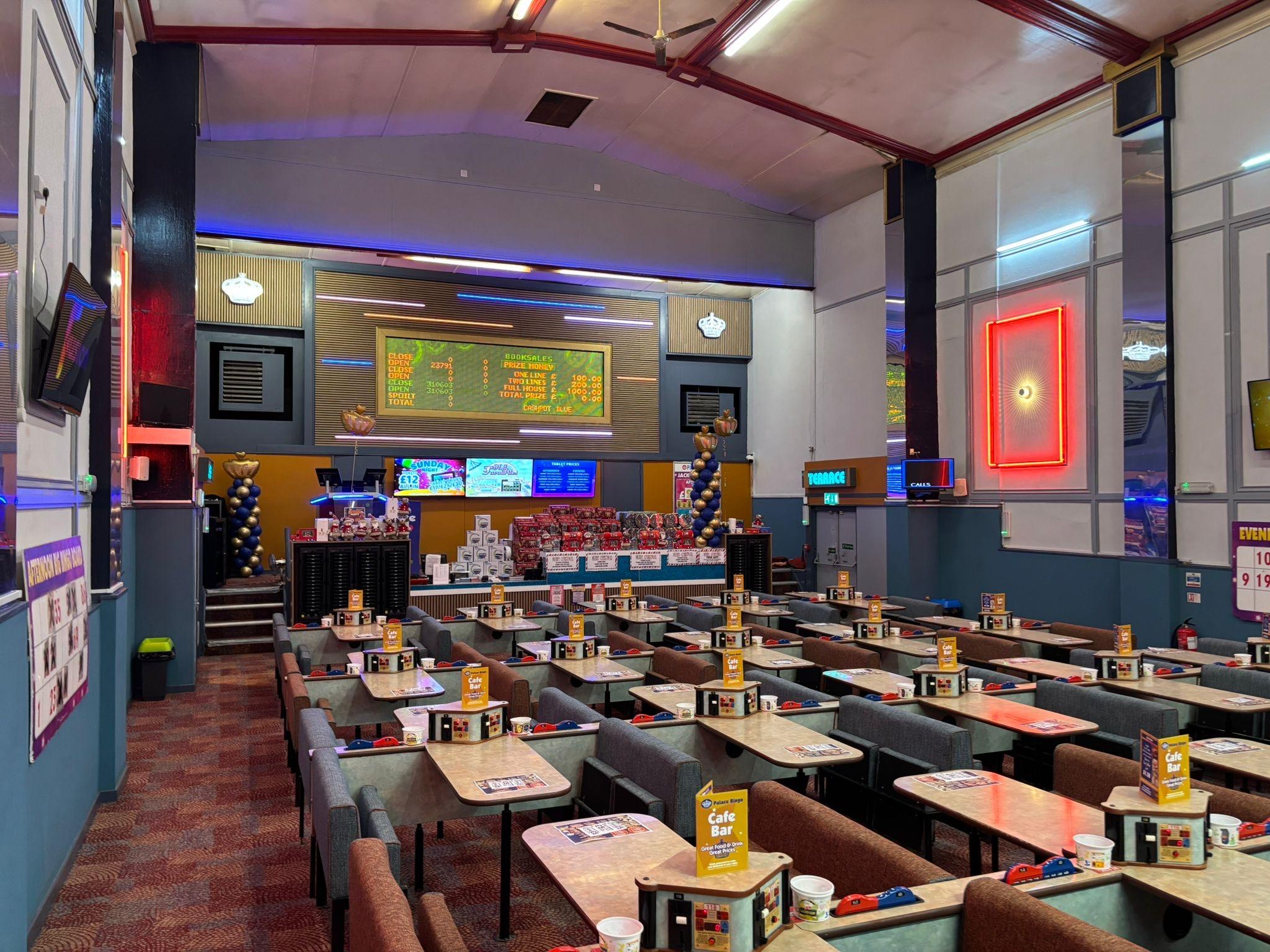
Palace Bingo has undergone a modern refurb. (Image: Peter Woolley)
“All you have to do is say hello to everybody on the way in and goodbye on the way out.”
Listen to the full interview on our Podcast
Regulation, Tax and Industry Pressures
The sector is heavily regulated, and Woolley said proposed tax hikes could impose real pressure. “For any business that sees their tax more than doubling in any area that they’re taxed, it doesn’t exactly seem reasonably fair to me,” he said.
He emphasised bingo’s role as a softer, social form of gambling. “We’ve lobbied so that we’re not dealt with the same harsh taxation hand as the online companies and AGCs and casinos,” he said.
Why Refurbish Now?
The redesign aimed to secure the venues’ future. “The main goal was to make the building fit for purpose for everybody for at least the next 10 years,” Woolley said. Upgrades included accessibility improvements, new carpets and seating, ramps, a new toilet block and updated systems to help monitor player spending responsibly.
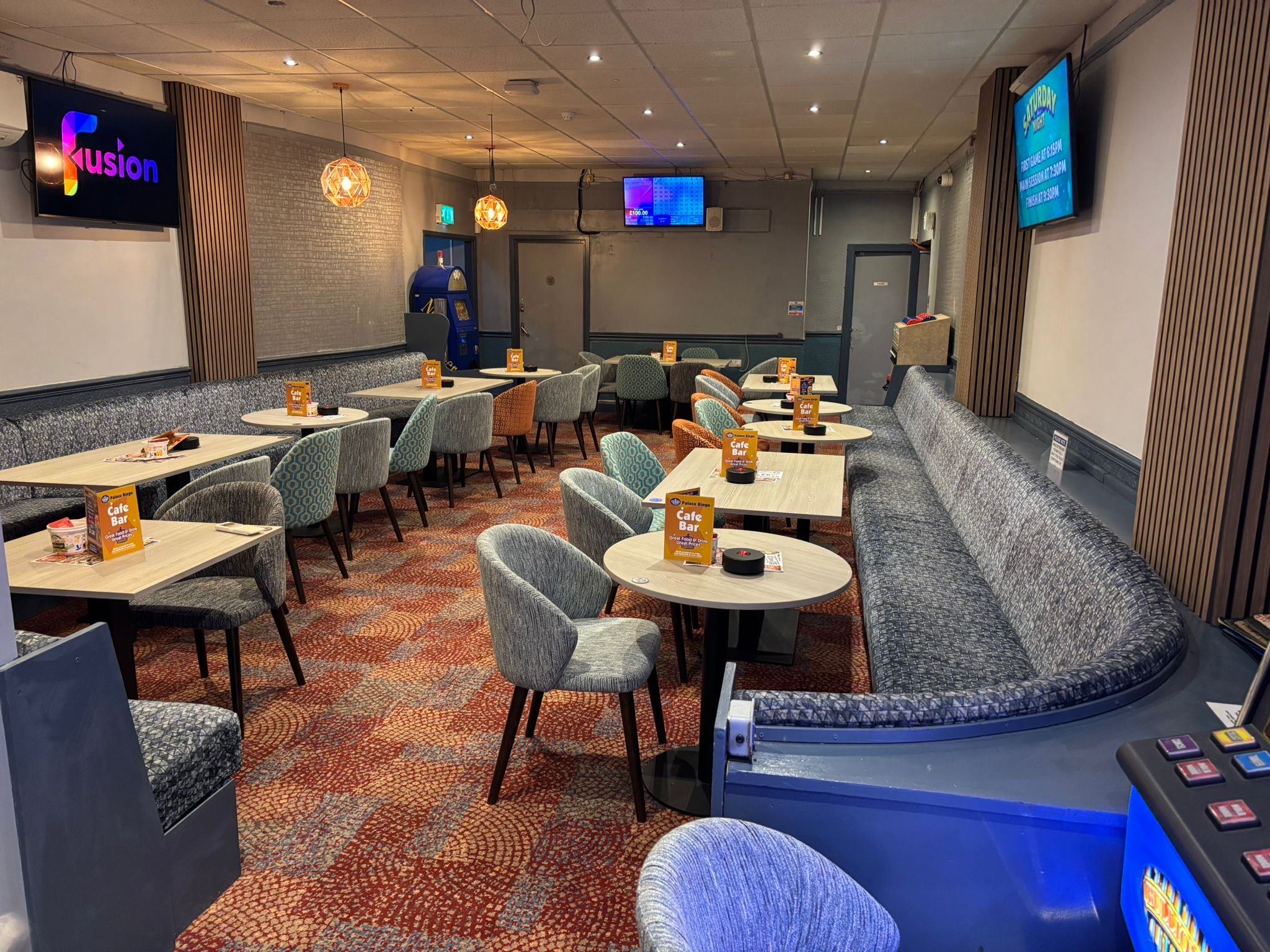
The refurbished Palace bingo hall. (Image: Peter Woolley)
More Than Just Bingo
Modern venues offer food, drink and add-on entertainment, part of a broader push to compete for “the leisure pound.” Woolley said bingo remains fashionable, with pubs and clubs running their own versions, but purpose-built halls still offer the full experience.
“You can arrive at the club at 6pm, food, drinks, a safe environment, as well as entertainment,” he said.
“I can’t think of any other activity where a lone female can enjoy themselves for three or four hours and feel safe and comfortable and relaxed.”
That includes occasional participation in linked national games, such as the National Bingo Game with its £50,000 jackpot. “It’s nice to be able to say that we’ve got a game with a life-changing amount of money attached to it.”
Tradition Meets Change
Bingo lingo, once full of rhyming nicknames, has largely faded. “We haven’t used any of those bingo lingo terms for quite a while,” Woolley said. Still, nostalgia pops up. When callers announce 22, he said, “in the middle of the hall you’ll hear, quack, quack.”
Asked about the “x-factor” of his venues, Woolley kept returning to one theme. “Service. Giving great service isn’t difficult, and it’s the one thing that will keep people coming back to the building.”
A Resilient Industry
Despite decades of challenges, from the National Lottery to the smoking ban to COVID-19, Woolley said the bingo industry has remained remarkably robust. “Each time bingo has managed to survive and sometimes evolve,” he said. “The industry faces each challenge head on together.”
One moment during reopening stood out for him: a visit from the local MP. Woolley introduced her to a table of four generations of women from the same family. “This is the only time they all get together and it’s just the girls,” he recalled them saying. One had recently won a large prize, allowing them to keep their tradition going for months. “That was quite prominent for me,” Woolley said.
What’s Next for Bingo
Looking ahead, Woolley said technology will continue influencing the industry, but the core appeal will remain human connection.
“Probably the most important thing is to provide the social interaction to bridge the gap that’s been created by the solo use of iPads, iPhones and technology,” he said.
“And if we can champion the social aspects of being in a bingo hall, future generations of players and operators, I think that it will look quite bright.”
Meet The Author
Experience

 News Writer
Most of my career was spent in teaching including at one of the UK’s top private schools. I left London in 2000 and set up home in Wales raising four beautiful children. I enrolled at University where I studied Photography and film and gained a Degree and subsequently a Masters Degree. In 2014 I helped launch a new local newspaper and managed to get front and back page as well as 6 filler pages on a weekly basis. I saw that journalism was changing and was a pioneer of hyperlocal news in Wales. In 2017 I started one of the first 24/7 free independent news sites for Wales. Having taken that to a successful business model I was keen for a new challenge. Joining the company is exciting for me especially as it is a new role in Europe. I am keen to establish myself and help others to do the same.
Read Full BioRelated News





Test Your Luck
Not Your Spam Filter
Sign up to receive emails and promotions from Casinos.com