From Liberty Bell to £2 Stakes: The Evolution of Slot Machines

From the Liberty Bell to pub fruit machines, one invention reshaped gambling forever.
When you hear the phrase slot machine, you might picture flashing lights in casinos, a pub corner cabinet, or the seaside arcades of Blackpool. For over a century, slots have been a staple of gambling culture, drawing players with the promise of small stakes and big jackpots. They have even become popular collector’s items and objects of desire for mancaves.
We managed to find a selection for sale on ebay, ranging from £80 to almost £2,000. But how did they become such a fixture in entertainment, and why are they still so popular today?
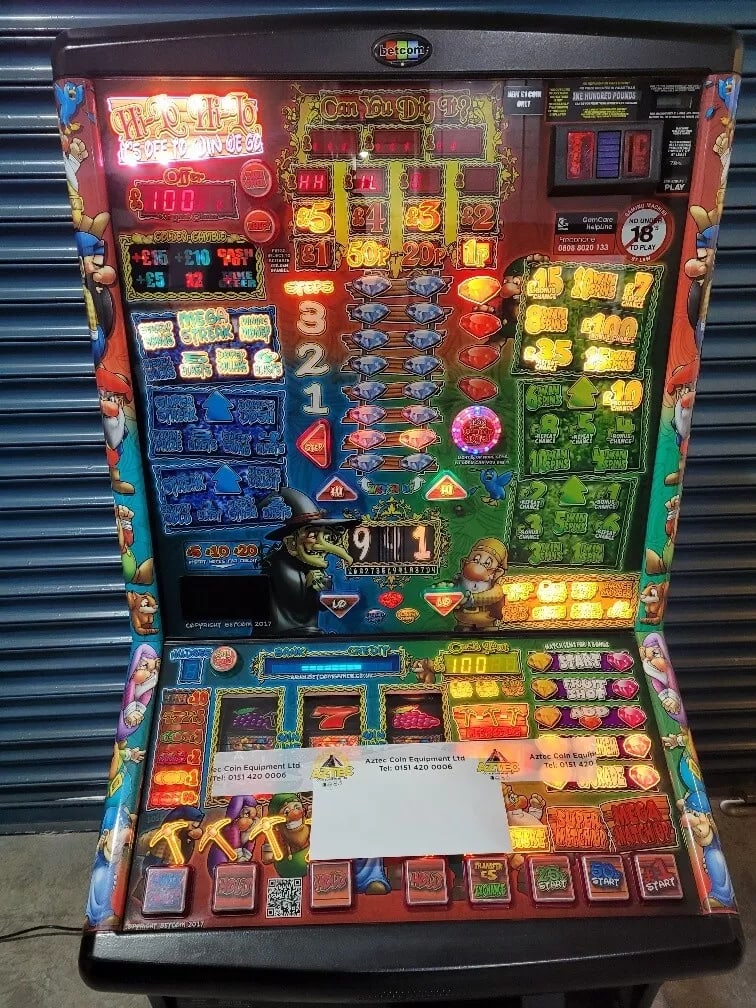
A slot machine on ebay for £80. (Image: ebay)
Charles Fey and the First Slot Machines
The modern slot machine owes its existence to Charles August Fey, a San Francisco mechanic who built his first machine in 1894. It proved so popular in his local saloon that within a year he quit his job to open a factory producing them.
By 1898, Fey had created the Card Bell, the first three-reel slot with automatic payouts. The following year came the Liberty Bell, featuring horseshoes, bells, and card suits on its reels. Only four of the original Liberty Bells are believed to have survived the 1906 San Francisco earthquake, making them rare collector’s items today.
Fey’s innovations were soon copied by rivals like the Mills Novelty Company in Chicago, which helped spread slot machines across America.
The Ban and the Rise of Fruit Symbols
By 1909, San Francisco had outlawed slot machines, with more than 3,000 removed from saloons. Fey responded by building machines that bypassed gambling laws, such as “chewing gum dispensers” that displayed fruit symbols like cherries and lemons.
The Mills company followed with its own fruit-themed reels and introduced the famous BAR symbol, adapted from a chewing gum logo. In 1916, it added the jackpot feature, where a winning combination emptied the machine’s coin bank. Both ideas remain central to slot design today.
Slots Cross the Atlantic
Slot machines spread rapidly across the United States in the early 20th century but took much longer to become common in the UK. By the late 1990s, Britain had embraced slots in pubs, casinos, and seaside arcades. Today, there are more than 30,000 licensed slot machines in pubs, arcades, and casinos across the country.
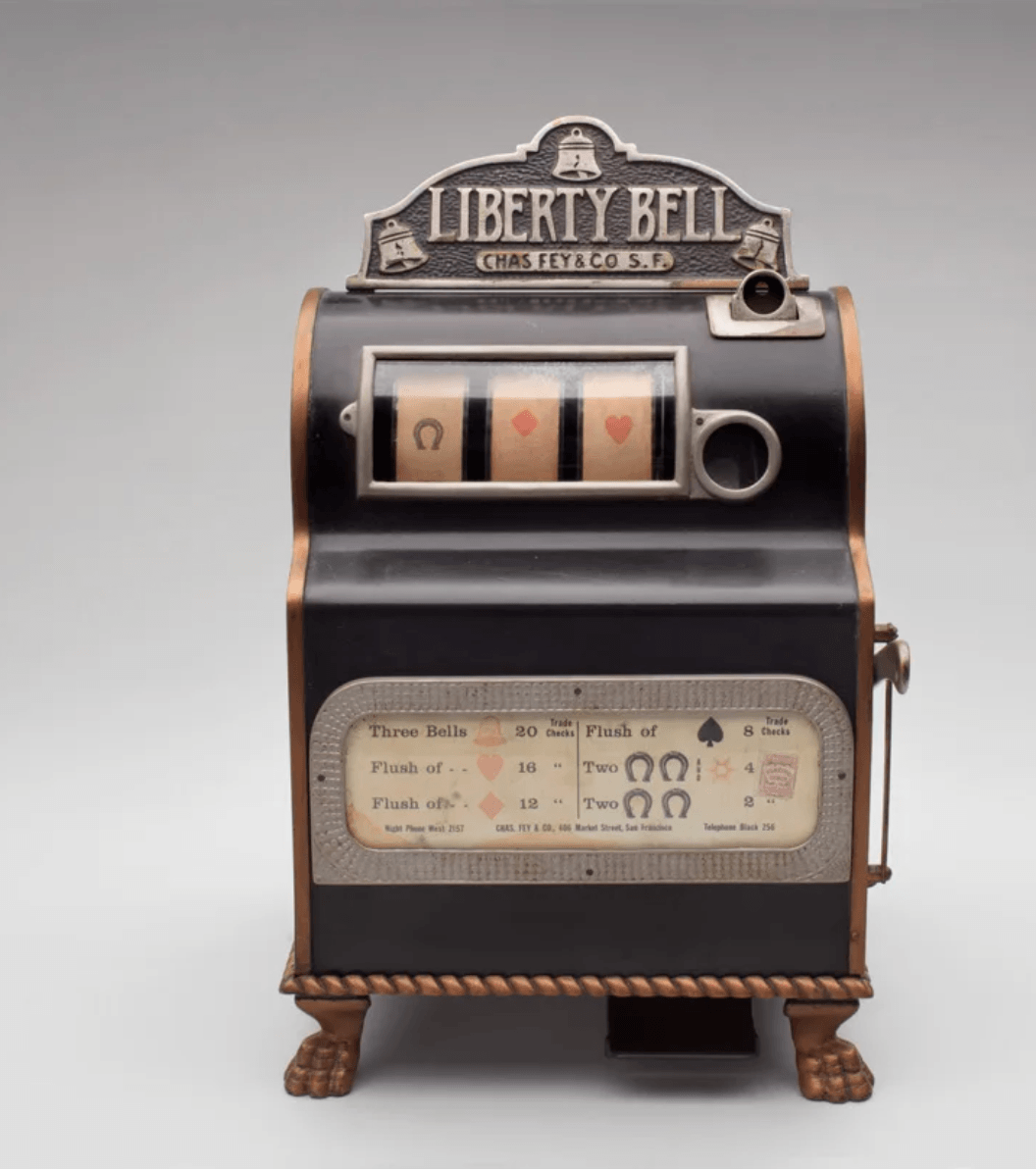
One of the first slot machines. (Image: SFO Museum)
Unlike in the US, UK machines only need to display their payout percentage rather than guarantee a minimum return. For many pub-goers, though, slots are less about strategy and more about casual fun, a way to spend spare change with friends.
Regulation and the £2 Stake Limit
Arguably the most major change in regulation was the online slots stake limit guidance, which went live in April 2025. This change dictated how much you can spend on slots in the following ways: Adults aged between 18-24 have a stake limit of £2 (May 2025). Adults aged 25+ have a stake limit of £5 (April 2025). The maximum stake was cut from £100 to £2 after ministers concluded the change was necessary to reduce gambling harm.
Analysts warned the reduction would hit bookmakers’ revenues, with William Hill forecasting losses of £288m and Ladbrokes Coral £437m annually. But pubs and smaller venues were less affected, since most casual players typically wager small amounts anyway.
Slots Today
From Fey’s Liberty Bell to today’s video slots and online slots, the evolution of the slot machine mirrors the growth of gambling itself. They’ve gone from outlawed saloon novelties to billion-pound earners for casinos and bookmakers.
And while regulations continue to change, whether through stake limits or new digital rules, slots remain one of the most enduring and accessible forms of gambling worldwide.
Meet The Author
Experience

 News Writer
Most of my career was spent in teaching including at one of the UK’s top private schools. I left London in 2000 and set up home in Wales raising four beautiful children. I enrolled at University where I studied Photography and film and gained a Degree and subsequently a Masters Degree. In 2014 I helped launch a new local newspaper and managed to get front and back page as well as 6 filler pages on a weekly basis. I saw that journalism was changing and was a pioneer of hyperlocal news in Wales. In 2017 I started one of the first 24/7 free independent news sites for Wales. Having taken that to a successful business model I was keen for a new challenge. Joining the company is exciting for me especially as it is a new role in Europe. I am keen to establish myself and help others to do the same.
Read Full BioRelated News




Test Your Luck
Not Your Spam Filter
Sign up to receive emails and promotions from Casinos.com