Robinhood Suing Massachusetts Officials to Exclude Event Contracts from Gaming Laws



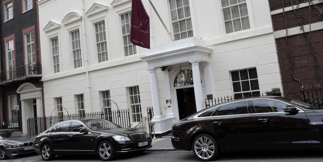
As event contracts expand into sports, the Robinhood platform is challenging Massachusetts’ attempt to treat them as gambling products. (Photo: Salarko / Alamy)
Robinhood has filed a lawsuit in the US District Court in Boston against Massachusetts Attorney General Andrea Campbell and the Massachusetts Gaming Commission (MGC) in an effort to keep state officials from applying gaming laws to contracts on predictive markets. While Robinhood doesn’t supply such prediction markets directly, users can access event contracts from Kalshi through the Robinhood platform.
Lawsuit Follows Massachusetts Action Against Kalshi
Kalshi is regulated by the federal Commodity Futures Trading Commission (CFTC), while Robinhood is registered with the CFTC as a futures commission merchant. In those roles, Robinhood has facilitated access to Kalshi’s markets on sporting events including NFL and college football games this season.
Massachusetts is one of several states arguing that these markets are effectively sports betting without applying for a state license. On Sept. 12, AG Andrea Campbell made that same argument when she filed suit against Kalshi in Suffolk Superior Court over these concerns.
“Sports wagering comes with significant risk of addiction and financial loss and must be strictly regulated to mitigate public health consequences,” Campbell said via a statement released after the lawsuit was filed. “This lawsuit will ensure that if Kalshi wants to be in the sports gaming business in Massachusetts, they must obtain a license and follow our laws.”
Robinhood argues that under the Commodity Exchange Act, the CFTC has exclusive jurisdiction over event contracts and commodity futures. According to the lawsuit, it would be considered a violation of the Supremacy Clause of the U.S. Constitution to override this jurisdiction by invoking state gaming laws.
Since Robinhood offers contracts that originate from Kalshi, the company is seeking an injunction to block the MGC and Attorney General from bringing a similar suit against it.
“While Robinhood customers are placing orders for event contract trades in their Robinhood accounts, the trades themselves are taking place on Kalshi’s CFTC-designated exchange,” the filing reads. “Robinhood therefore had no choice but to file this lawsuit to protect its customers and its business.”
Broader Battle Over Prediction Markets
The lawsuit is the latest highlight in an ongoing controversy involving predictive markets. Several state regulators have taken legal action in an attempt to prevent Kalshi and other prediction markets from offering sports-based contracts in their jurisdictions. Kalshi has previously won injunctions to prevent states from blocking their offerings in Nevada and New Jersey, but other states – including Maryland and California – have pending litigation against the industry.
Kalshi has been offering contracts on sporting events since early 2025, following its 2024 court victory that allowed it to offer predictive markets on U.S. elections. That move that led to a significant expansion of the company’s footprint in the United States and inspired competitors like Polymarket, which is also increasing their activity in the U.S. under the Trump administration.
Meet The Author
Experience

Ed Scimia is an experienced writer who has been covering the gaming industry since 2008. He graduated from Syracuse University in 2003 with degrees in Magazine Journalism and Political Science. As a writer, Ed has worked for About.com, Gambling.com, and Covers.com, among other sites. He has also authored multiple books and enjoys curling competitively, which has led to him creating curling-related content for his YouTube channel, "Chess on Ice."
Read Full BioRelated News








Test Your Luck
Not Your Spam Filter
Sign up to receive emails and promotions from Casinos.com